
Expert consensus on the diagnosis and treatment of EGFR gene mutation non-small cell lung cancer
DOI:
https://doi.org/10.65364/iomj.2026.15Abstract
AbstractBackground: Epidermal growth factor receptor (EGFR) mutations are the most clinically actionable oncogenic drivers in Asian patients with non-small-cell lung cancer (NSCLC). The therapeutic landscape has rapidly evolved from single-agent EGFR tyrosine kinase inhibitors (TKIs) to risk-adapted first-line intensification, perioperative and stage III targeted strategies, and mechanism-directed treatment after acquired resistance.
Methods: A multidisciplinary expert panel reviewed high-level evidence from peer-reviewed publications and major oncology meetings from 2024 to 2026(ASCO, ESMO, WCLC et.al), with emphasis on clinical applicability in China. Recommendations were formulated according to molecular subtype, disease stage, metastatic pattern, resistance mechanism, drug accessibility, safety and multidisciplinary decision-making. Consensus statements were developed via a modified Delphi process in alignment with MMR submission requirements.
Results: Third-generation EGFR-TKIs remain the preferred backbone for EGFR exon 19 deletion and L858R-mutant advanced NSCLC. First-line intensified strategies, including osimertinib plus platinum-pemetrexed chemotherapy, aumolertinib plus chemotherapy, and amivantamab plus lazertinib, may be considered for selected high-risk patients. Osimertinib consolidation after definitive chemoradiotherapy has established a standard strategy for unresectable stage III EGFR-mutated NSCLC. For EGFR exon 20 insertion mutations, amivantamab plus chemotherapy and emerging selective oral TKIs have changed the therapeutic paradigm. After EGFR-TKI resistance, repeat molecular profiling is recommended to guide MET-directed combinations, next-generation TKIs, antibody-drug conjugates, bispecific antibodies or chemotherapy-based regimens.
Conclusions: This consensus provides a practical framework for diagnosis, molecular testing, treatment selection, resistance management and toxicity control in EGFR-mutated NSCLC in China.
Keywords: EGFR-mutated NSCLC; Osimertinib; Targeted therapy; Resistance mechanisms; Consensus.
INTRODUCTION
Advances in genomic testing have paved the way for precise, individualized treatment of patients with advanced non-small cell lung cancer (NSCLC)[1,2]. With the accumulation of evidence, treatment for advanced epidermal growth factor receptor (EGFR)-mutated NSCLC has shifted from chemotherapy to tyrosine kinase inhibitors (TKIs), resulting in substantial improvements in survival and quality of life[3,4]. However, because of resistance mechanisms and treatment-related adverse events, most patients receiving first- or second-generation EGFR-TKIs do not achieve a progression-free survival (PFS) longer than 14 months, and PFS is even shorter in patients with brain metastases[5-8]. The third-generation EGFR-TKI osimertinib has been approved for advanced NSCLC with EGFR mutations, including acquired T790M, and as postoperative adjuvant therapy for EGFR mutation-driven NSCLC[9-11]. With continued advances in molecular testing, uncommon subtypes such as EGFR E709X, G719X, S768I, L861Q, and exon 20 insertion mutations have received increasing attention. The efficacy and appropriate populations for third-generation EGFR-TKIs in selected non-classical EGFR mutations are being actively investigated, and selective small-molecule inhibitors, bispecific antibodies, and combination strategies for EGFR exon 20 insertion mutations have also made important progress; nevertheless, substantial unmet clinical needs remain[12-14]. In patients with EGFR-mutated disease, therapeutic selection with an EGFR-TKI may eliminate target-sensitive clones and subsequently lead to more complex resistance alterations[15,16]. To delay or overcome resistance, EGFR-TKIs have been explored in combination with antiangiogenic agents or chemotherapy. In parallel, novel immunotherapy-based approaches and antibody-drug conjugates (ADCs) are being rapidly developed, providing new possibilities for addressing treatment resistance.
ECLUNG YOUNG (Yangtze River Delta Lung Cancer Cooperation Group [East China LUng caNcer Group, ECLUNG; Youth Committee]) developed this expert consensus on the clinical diagnosis and treatment of EGFR-mutated NSCLC by integrating the characteristics of drug development and clinical practice in the EGFR field in China. The consensus addresses: (1) classification and accurate identification of common EGFR mutations and their molecular and protein features; (2) selection, quality control, and standardized reporting of molecular testing methods; (3) general treatment strategies for patients with advanced and early-stage EGFR-mutated NSCLC; (4) management of special populations with EGFR-mutated disease; and (5) treatment strategies after resistance to EGFR-TKIs. The aim is to provide standardized guidance for diagnostic and therapeutic pathways and clinical decision-making in EGFR-mutated NSCLC.
SCOPE AND METHODOLOGY OF CONSENSUS DEVELOPMENT
This consensus applies to patients with pathologically confirmed or highly suspected NSCLC who require EGFR molecular testing, targeted therapy, perioperative therapy, management of locally advanced disease or special metastatic sites, or treatment decisions after resistance. Evidence sources should include randomized phase III trials, prospective phase II studies, real-world studies, systematic reviews, regulatory review documents, and abstracts from major scientific meetings. Meeting abstracts should be used only as updated evidence or to indicate research directions, whereas formal recommendations should preferentially rely on peer-reviewed full publications and regulatory labels.
Levels of evidence were categorized as follows: 1A, multiple randomized controlled trials, meta-analyses, or at least one high-quality phase III randomized controlled trial (RCT) demonstrating an overall survival (OS) benefit; 1B, a single high-quality phase III RCT with a positive primary endpoint, with OS immature or assessed as a secondary endpoint; 2A, consistent findings from prospective phase II studies, prespecified subgroup analyses, high-quality real-world studies, or systematic reviews; 2B, retrospective studies, small prospective studies, single-arm studies, or cohort studies; and 3, case reports, expert opinion, translational research, structural biology, or preclinical evidence.
The strength of recommendations was classified as “strong recommendation,” “recommendation,” “may be considered,” or “not recommended for routine use.” When differences exist in efficacy evidence, accessibility, reimbursement, or approved indications, the applicable population and boundaries of evidence should be specified after the recommendation to avoid presenting exploratory regimens as standards of care.
STRUCTURE, BIOLOGICAL FUNCTIONS, AND ONCOGENIC MECHANISMS OF EGFR
The EGFR gene is located on chromosome 7p11.2, spans approximately 200 kb, and encodes EGFR, a transmembrane glycoprotein with receptor tyrosine kinase activity that plays a critical regulatory role in cell growth, proliferation, differentiation, survival, and migration[17,18]. Under normal conditions, ligand binding promotes formation of an active EGFR homodimer and ATP binding, which subsequently activates downstream signaling pathways, including MAPK and mTOR, and ultimately promotes cellular proliferation, differentiation, and migration[19,20]. EGFR contains three major functional domains: an extracellular ligand-binding domain, a transmembrane domain, and an intracellular tyrosine kinase domain. Highly conserved regions include: (1) the N-terminal lobe (N-lobe), in which the GSGSFG motif within the ATP phosphate-binding loop (P-loop) binds the gamma-phosphate group; (2) the alphaC helix (alphaC-helix), which contains binding sites for the alpha- and beta-phosphate groups and plays a key role in conformational change and autophosphorylation; and (3) the C-terminal lobe (C-lobe), in which the 20-30-amino-acid activation loop (A-loop) constitutes the catalytic center of the tyrosine kinase and the DFG motif is directly related to enzymatic activity[21].
The EGFR kinase domain is encoded by exons 18-24, whereas EGFR mutations in NSCLC occur predominantly in exons 18-21[1,22,23] [Figure 1]. Exon 18 alterations account for approximately 3%-5% of all EGFR mutations and include point mutations and deletion/insertion variants. G719X is the most common point mutation, and E709_T710delinsX is the most common deletion variant[22,24]. Among EGFR alterations, exon 19 deletion (19del) is one of the most common subtypes, with a frequency of approximately 44%, followed by exon 21 L858R and other mutations[25-27]. More than 54 exon 19 deletion variants have been identified, including large deletions, deletions accompanied by point mutations, and deletion-insertion variants[26,28]. EGFR exon 20 insertion (ex20ins) mutations are the next most frequent EGFR subtype after the classical mutations ex19del and L858R and are generally mutually exclusive with other oncogenic drivers[29]. EGFR exon 20 encodes amino acids E762-K823, including the alphaC helix formed by E762-M766 and the loop formed by A767-C775. A767-P772 is designated the proximal loop region, whereas H773-C775 is designated the distal loop region[30]. Overall, EGFR ex20ins variants show marked molecular heterogeneity, with a characteristic long-tail distribution of subtype frequencies[29]. EGFR ex20ins mutations are characterized by in-frame insertions and/or duplications between codons 761 and 775 near the alphaC helix, resulting in activation of EGFR signaling. According to insertion site and amino acid sequence, more than 100 EGFR ex20ins subtypes have been identified. Approximately 10% occur at the C terminus of the alphaC helix (761-766), whereas approximately 90% occur in the post-alphaC-helix loop domain. Insertions within the loop domain can be further classified as proximal-loop insertions (767-772), accounting for 66%-72% of EGFR ex20ins mutations, and distal-loop insertions (773-775), accounting for 27%-28%[27, 31]. Conventional EGFR-TKIs are effective only in a very small subset of variants (approximately 5.1% of EGFR ex20ins mutations) and have limited efficacy against most other subtypes[32,33]. The structural diagram is shown in Figure 2.
Figure 1.Schematic structure of the EGFR gene. EGFR: Epidermal growth factor receptor.
Figure 2.Structural diagram of EGFR exon 20 insertions. EGFR: Epidermal growth factor receptor.
EGFR kinase domain duplication (EGFR-KDD) refers to tandem duplication of the EGFR exon 18-25, exon 17-25, or exon 14-26 region. The duplicated kinase domains form an intramolecular dimer that activates downstream MAPK and mTOR signaling, thereby promoting tumor-cell proliferation, differentiation, and migration[34,35]. EGFR-KDD occurs in approximately 0.07% of lung cancers and is sensitive to EGFR-TKIs such as afatinib and icotinib[34,36]. EGFR fusions occur in 0.05%-0.13% of lung cancers and include EGFR-RAD51, EGFR-PURB, EGFR-SEPT14, EGFR-TNS3, EGFR-ZCCHC6, LINCO1446-EGFR, EGFR-SEC61G, and KIF5B-EGFR. Patients may benefit from erlotinib, afatinib, icotinib, or gefitinib, with reported treatment durations ranging from 2 months to more than 36 months[37-40].
METHODS FOR DETECTING EGFR MUTATIONS
For advanced or recurrent NSCLC, tissue or cytology specimens are preferred for testing of EGFR and other oncogenic drivers. When tissue is unavailable or insufficient, peripheral-blood circulating tumor DNA (ctDNA) may be used as a supplementary specimen. In patients with leptomeningeal metastasis or central nervous system progression, cerebrospinal fluid ctDNA may better reflect the molecular characteristics of intracranial lesions than peripheral-blood ctDNA. At initial diagnosis, testing should cover common sensitizing EGFR mutations, uncommon mutations, rare alterations, exon 20 insertions, compound mutations, and co-alterations that are actionable or may affect treatment selection, including mesenchymal-epithelial transition factor (MET) amplification, HER2, BRAF, ALK, ROS1, RET, NTRK, and KRAS. After progression on an EGFR-TKI, tissue rebiopsy or liquid biopsy should be performed whenever possible to distinguish EGFR-dependent resistance, bypass-pathway activation, histologic transformation, and progression without an identifiable actionable target. Methods for EGFR mutation testing are described below [Figure 3].
Figure 3.Diagnostic workflow. NSCLC: Non-small-cell lung cancer; EGFR: epidermal growth factor receptor; TKI: tyrosine kinase inhibitor; ICI: immune checkpoint inhibitor; EBUS-TBNA: endobronchial ultrasound-guided transbronchial needle aspiration; CT: Computed tomography; MRI: Magnetic resonance imaging.
DNA-based NGS
Compared with conventional molecular testing methods, next-generation sequencing (NGS) offers clear technical advantages. NGS enables high-throughput sequencing in a single assay and has important applications in clinical diagnosis and treatment[41]. It provides high sensitivity and specificity and can identify genomic alterations in both tissue and liquid-biopsy specimens[42]. However, the accuracy of NGS is influenced by key factors including capture-probe coverage, sequencing depth, specimen quality, sequence complexity, and bioinformatic analysis. Given the increasing sensitivity, specificity, and clinical accessibility of DNA-based NGS, this method is generally recommended for identifying EGFR mutations in newly diagnosed patients and in patients with treatment resistance. When feasible, medium-to-large NGS panels covering major actionable drivers, resistance-associated genes, and key copy-number alterations should be prioritized. Panel selection should take into account the captured genomic region, sequencing depth, completeness of target coverage, analytical validation, reporting and interpretation capabilities, and clinical turnaround time.
RNA-based NGS
DNA sequencing by NGS is commonly used in clinical practice but may yield false-negative results for gene fusions. By comparison, RNA-based NGS can detect a broader range of fusion variants[43]. Because RNA-based fusion testing is not affected by intronic regions, it may identify fusion transcripts more accurately. Molecular testing for targeted therapy in NSCLC mainly includes point mutations, insertions/deletions, and gene fusions. In clinical practice, RNA-based methods have particular advantages for fusion detection. Considering the limited availability of tumor tissue in patients with advanced lung cancer, the need for timely treatment, and the cost of testing, it is recommended that a single NSCLC tissue specimen be assessed simultaneously by DNA-based NGS for point mutations and insertions/deletions and by RNA-based NGS for gene fusions.
PCR
PCR-based methods offer rapid turnaround, relatively low cost, and high sensitivity for known hotspot mutations. However, their detection range is constrained by primer and probe design, making them less suitable for identifying unknown mutations, complex insertions/deletions, fusions, or a broad spectrum of co-mutations[2]. Quantitative real-time PCR monitors the accumulation of amplification products in real time through fluorescent reagents incorporated into the reaction system. However, qPCR provides only relative quantification based on standard curves and reference materials and does not achieve precise absolute quantification. The amplification refractory mutation system (ARMS) uses mutation-specific primers to selectively amplify mutant target sequences and probes to detect amplification products on a real-time PCR platform, allowing highly specific and sensitive detection of rare mutations in sample DNA. Nevertheless, ARMS detects only predefined mutations and cannot identify novel or unknown variants[44]. Sanger sequencing uses primers designed for known mutation sites in disease-associated genes, followed by PCR amplification and direct sequencing[45]. A single mutation site can be amplified without sequencing all exons of the relevant gene; however, sensitivity is low, and low-frequency variants may be missed. From a cost-effectiveness perspective, PCR may be more favorable than NGS. Therefore, when financial resources are limited, NGS is not readily accessible, or specimen quantity is insufficient, routine EGFR testing by RT-PCR is recommended. Because testing methods differ in sensitivity, specificity, specimen requirements, turnaround time, and technical complexity, the method should be selected according to laboratory capabilities, specimen type and quantity, and clinical requirements.
Fluorescence in situ hybridization
Fluorescence in situ hybridization (FISH) can be used to detect and validate specific gene fusions, rearrangements, or amplification events. However, it relies on predefined probes, has limited coverage, and cannot comprehensively identify EGFR-related point mutations, insertions/deletions, complex rearrangements, or accompanying molecular alterations. For rare alterations such as EGFR fusions, FISH may be used as a supplementary validation method when NGS findings are equivocal or require further confirmation[37,46]. Because probe design, interpretation criteria, and positivity thresholds may vary among laboratories, and standardized criteria are lacking in some settings, FISH is not recommended as the preferred method for routine screening of EGFR-related alterations.
Immunohistochemistry
Although immunohistochemistry (IHC) is a cost-effective method, it is not suitable for detecting EGFR mutations[47]. Immunohistochemistry is mainly used to determine the molecular phenotype of a tumor; an EGFR ‘positive’ result generally indicates the presence of an EGFR mutation. However, EGFR mutation sites are concentrated in exons 18-21, and the specific mutation site must be identified to provide clearer guidance for the use of targeted therapy. Mutation-specific antibodies against EGFR exon 19 deletions and exon 21 L858R have been used for immunohistochemical detection of EGFR protein expression; although the specificity of each antibody is relatively high, some EGFR-mutated cases are not detected by these mutation-specific antibodies[48,49]. Studies have shown that EGFR expression by immunohistochemistry is unrelated to EGFR gene mutation status and cannot be used to select patients with NSCLC for treatment with EGFR tyrosine kinase inhibitors. Therefore, IHC is not recommended as the primary method for EGFR testing.
CONTENT REQUIREMENTS FOR EGFR NGS TEST REPORTS
This section was adapted from the 2024 ESMO recommendations on clinical reporting of genomic test results for solid cancers[50]. EGFR NGS reports should clearly document patient and specimen information, assay characteristics and performance, sample-specific quality-control metrics, genomic alterations using standardized nomenclature, clinical actionability, and relevant technical limitations to support accurate clinical interpretation.
QUALITY CONTROL FOR EGFR TESTING
This section was informed by the quality-control principles outlined in the 2024 ESMO Recommendations on clinical reporting of genomic test results for solid cancers and was further adapted to the complete workflow of EGFR molecular testing. Quality control should cover the pre-analytical, analytical, and post-analytical phases, including specimen adequacy and tumour-content assessment, assay validation, sample-specific performance metrics, appropriate internal controls, standardized interpretation and reporting, and participation in external quality-assessment programmes[50].
CLINICAL TREATMENT OF EGFR-MUTATED NSCLC
Treatment of EGFR-mutated NSCLC should first be stratified according to disease stage. For patients with early-stage resectable disease, the main considerations are curative surgery, adjuvant EGFR-TKI therapy, and neoadjuvant strategies. For patients with unresectable stage III disease, the core strategy is osimertinib consolidation after definitive chemoradiotherapy. In advanced disease, single-agent or intensified first-line therapy should be selected according to EGFR mutation subtype, central nervous system (CNS) status, tumor burden, co-mutations, and patient preference. After progression, rebiopsy should be used to identify the dominant resistance mechanism and guide mechanism-directed therapy or systemic treatment with chemotherapy, ADCs, bispecific antibodies, and other approaches.
Common EGFR mutations
First-line EGFR-TKI monotherapy for advanced NSCLC with common EGFR mutations
For advanced NSCLC harboring EGFR 19del or L858R, single-agent EGFR-TKI remains the foundational first-line treatment for most patients. Multiple randomized controlled trials of first-line therapy for advanced EGFR-mutated NSCLC have demonstrated clear efficacy with first-generation EGFR-TKIs, including gefitinib, erlotinib, and icotinib[5,51,52]. Second-generation EGFR-TKIs provide greater efficacy than first-generation agents but are also associated with substantially more adverse events[8,53,54]. Studies of the third-generation EGFR-TKIs osimertinib, aumolertinib, furmonertinib, and befotertinib have each demonstrated superior efficacy compared with first-generation TKIs. In FLAURA, osimertinib significantly prolonged median PFS (18.9 months vs. 10.2 months, P < 0.001) and median OS (38.6 months vs. 31.8 months, P = 0.046) compared with a first-generation EGFR-TKI, although no clear OS difference was observed in the Asian subgroup[10,55]. The prospective real-world FLOURISH study provided additional data for Chinese patients with advanced EGFR-mutated NSCLC: at a median follow-up of 31.3 months, the median time to treatment discontinuation was 24.6 months, median real-world PFS was 19.4 months, and median OS was 41.0 months[56]. In AENEAS, aumolertinib significantly prolonged median PFS compared with gefitinib (19.3 months vs. 9.9 months, P < 0.0001) [57]. In FURLONG, first-line furmonertinib significantly prolonged median PFS compared with gefitinib (20.8 months vs. 11.1 months, P < 0.0001)[58]. Compared with icotinib, befotertinib also produced a superior median PFS (22.1 months vs. 13.8 months, P < 0.0001) [59]. Collectively, these data establish third-generation EGFR-TKIs as standard first-line therapy for advanced EGFR-mutated NSCLC. Data for EGFR-TKIs marketed in China are summarized in Table 1.
| Study | Drugs | Study phase | Total number | Response rate (%) | mPFS (months) | HR (P) | mOS (months) | HR (P) |
| IPASS | Gefitinib vs. carboplatin + paclitaxel | Phase III | 261 | 71.2 vs. 47.3 | 9.8 vs. 6.4 | 0.48 (P < 0.001) | 21.6 vs. 21.9 | 1.00 (P = 0.99) |
| OPTIMAL | Erlotinib vs. carboplatin + paclitaxel | Phase III | 165 | 83.0 vs. 36.0 | 13.1 vs. 4.6 | 0.16 (P < 0.0001) | 22.8 vs. 27.2 | 1.19 (P = 0.27) |
| CONVINCE | Icotinib vs. carboplatin + paclitaxel | Phase III | 285 | NR | 11.2 vs. 7.9 | 0.61 (P = 0.006) | 30.5 vs. 32.1 | (P = 0.885) |
| LUX-lung6 | Afatinib vs. gemcitabine + cisplatin | Phase III | 364 | 66.9 vs. 23.0 | 11.0 vs. 5.6 | 0.28 (P < 0.0001) | 23.1 vs. 23.5 | 0.93 (P = 0.61) |
| ARCHER1050 | Dacomitinib vs. Gefitinib | Phase III | 452 | 75.0 vs. 70.0 | 14.7 vs. 9.2 | 0.59 (P < 0.0001) | 34.1 vs. 26.8 | 0.76 (P = 0.0438) |
| CTONG 0901 | Erlotinb vs. Gefitinib | Phase III | 256 | 56.3 vs. 53.3 | 13.0 vs. 10.4 | 0.81 (P = 0.108) | 22.9 vs. 20.1 | 0.84 (P = 0.25) |
| FLAURA | Osimertinib vs. Gefitinib/Erlotinib | Phase III | 556 | 80.0 vs. 76.0 | 18.9 vs. 10.2 | 0.46 (P < 0.001) | 38.6 vs. 31.8 | 0.799 (P = 0.0462) |
| AENEAS | Aumolertinib vs. Gefitinib | Phase III | 429 | 74.0 vs. 72.0 | 19.3 vs. 9.9 | 0.46 (P < 0.0001) | NR | NR |
| FURLONG | Furmonertinib vs. Gefitinib | Phase III | 357 | 89.0 vs. 84.0 | 20.8 vs. 11.1 | 0.44 (P < 0.0001) | NR | NR |
| IBIO-103 | Befotertinib vs. Icotinib | Phase III | 362 | 75.8 vs.78.3 | 22.1 vs. 13.8 | 0.49 (P < 0.0001) | NR | NR |
| LASER301 | Lazertinib vs. gefitinib | Phase III | 393 | 76.0 vs. 76.0 | 20.6 vs. 9.7 | 0.45 (P < 0.001) | NR | NR |
| REZOR | Rezivertinib vs. gefitinib | Phase III | 369 | NR | 19.3 vs. 9.6 | 0.48 (P < 0.0001) | NR | NR |
First-line combination therapy for advanced NSCLC with sensitizing EGFR mutations
The EGFR and VEGFR signaling pathways are closely interconnected and exhibit pathway cross-talk. Combining an EGFR-TKI with an antiangiogenic agent simultaneously inhibits EGFR and VEGFR signaling in tumor cells. The phase III RELAY, NEJ-026, CTONG1509, BEVERLY, and ACTIVE studies evaluated first-generation EGFR-TKIs combined with antiangiogenic therapy. These combinations significantly improved PFS compared with EGFR-TKI monotherapy, but the PFS benefit did not translate into an OS benefit[60-64]. In contrast, the clinical benefit of combining a third-generation EGFR-TKI with an antiangiogenic agent has been limited. In WJOG9717L, osimertinib plus bevacizumab did not provide a statistically significant PFS benefit over osimertinib alone (22.1 months vs. 20.2 months, HR = 0.862, P = 0.213), and grade 3-4 adverse events were more frequent with combination therapy[65]. At present, there is no strong evidence supporting a synergistic or additive effect between antiangiogenic agents and EGFR-TKIs, particularly third-generation EGFR-TKIs. Subgroup analyses from several studies suggest that patients with exon 21 L858R, a smoking history, or TP53 co-mutations may derive greater benefit from antiangiogenic therapy plus an EGFR-TKI; therefore, appropriate patient selection may be required in future treatment strategies. Randomized trials of first-line EGFR-TKIs combined with antiangiogenic agents are summarized in Table 2.
| Study | Drugs | Study phase | Total number | Response rate (%) | mPFS (months) | HR (P) | mOS (months) | HR (P) |
| RELAY | Erlotinib + Ramucirumab vs. Erlotinib | Phase III | 449 | 76 vs. 75 | 19.4 vs. 12.4 | 0.59 (P < 0.001) | 51.1 vs. 46.0 | 0.98 (P = 0.864) |
| NEJ-026 | Erlotinib + Bevacizumab vs. Erlotinib | Phase III | 228 | 72 vs. 74 | 16.9 vs. 13.3 | 0.605 (P = 0.016) | 50.7 vs. 46.2 | 1.007 (P = 0.97) |
| ARTEMIS (CTONG1509) | Erlotinib + Bevacizumab vs. Erlotinib | Phase III | 311 | 86.8 vs. 84.7 | 17.9 vs. 11.2 | 0.55 (P < 0.001) | 36.2 vs. 31.6 | 0.92 (P = 0.581) |
| BEVERLY | Erlotinib + Bevacizumab vs. Erlotinib | Phase III | 160 | 67.0 vs. 62.5 | 15.4 vs. 9.6 | 0.66 (P = 0.015) | 33.3 vs. 22.8 | 0.72 (P = 0.132) |
| ACTIVE (CTONG1706) | Gefitinib + Apatinib vs. Gefitinib+ Placebo | Phase III | 313 | 77.1 vs. 73.7 | 13.7 vs. 10.2 | 0.71 (P = 0.0189) | NR | NR |
| WJOG9717L | Bevacizumab + osimertinib vs. osimertinib | Phase II | 122 | 82.0 vs. 86.0 | 22.1 vs. 20.2 | 0.862(P = 0.213) | NR | NR |
Since the introduction of EGFR-TKIs, efforts to combine targeted therapy with chemotherapy have continued. The IMPRESS study showed no PFS benefit from continuing gefitinib after resistance to first-line gefitinib in patients with advanced EGFR-mutated NSCLC[66]. The AGAIN study suggested that adding platinum-doublet chemotherapy after a response to first-line EGFR-TKI therapy was associated with longer PFS but no OS benefit, regardless of whether patients received gefitinib or osimertinib. In first-line targeted therapy-chemotherapy combination studies, both NEJ-009 and FLAURA2 demonstrated superior efficacy with combination treatment and reported an OS benefit[67,68]. In FLAURA2, osimertinib plus platinum-pemetrexed significantly improved both PFS and OS compared with osimertinib alone in advanced EGFR-mutated NSCLC (P < 0.0001; P = 0.0280)[68]. The final OS analysis showed that osimertinib plus platinum-pemetrexed significantly prolonged OS compared with osimertinib alone, with median OS of 47.5 months vs. 37.6 months and an HR of 0.77, indicating that targeted therapy-chemotherapy combinations have progressed from a PFS-only benefit to an OS benefit[69]. AENEAS2 demonstrated that first-line aumolertinib plus platinum-doublet chemotherapy significantly prolonged PFS compared with aumolertinib alone in advanced NSCLC with sensitizing EGFR mutations (28.9 months vs. 18.9 months, HR = 0.47), with consistent benefit across subgroups, and provided data from a Chinese-developed third-generation EGFR-TKI in a Chinese population[70]. MARIPOSA showed that amivantamab plus lazertinib prolonged median PFS by 7.1 months compared with osimertinib (23.7 months vs. 16.6 months, HR = 0.70)[71]. At a median follow-up of 37.8 months, median OS had not been reached in the combination group and was 36.7 months in the osimertinib group; the HR for death was 0.75 (95% CI, 0.61-0.92; P = 0.005). Three-year OS rates were 60% and 51%, respectively, and 42-month OS rates were 56% and 44%, respectively[72]. FLAURA2 and MARIPOSA both demonstrated a PFS benefit from adding other agents to an EGFR-TKI and introduced new first-line combination options for patients with EGFR-mutated disease. Although patients may derive clinical benefit in real-world practice, the complexity of NSCLC and the need for longitudinal disease management require further investigation of resistance mechanisms and population-specific efficacy and safety to optimize treatment strategies and improve prevention and management of potential adverse events. These studies provide new evidence for precise and individualized treatment of EGFR-mutated NSCLC. Key clinical trials of first-line EGFR-TKI-based combination strategies are summarized in Table 3.
| Study | Drugs | Study Phase | Total number | Response rate (%) | mPFS (months) | HR (P) | mOS (months) | HR (P) | Notes |
| NEJ-009 | Gefitinib + Chemotherapy vs. Gefitinib | Phase III | 345 | 84 vs. 67 | 20.9 vs. 11.9 | 0.49 (P < 0.001) | 49.0 vs. 38.5 | 0.82 (P = 0.127) | |
| AGAIN | EGFR-TKI + intercalated platinum-pemetrexed chemotherapy vs. EGFR-TKI | Phase III | 501 | 71.6 vs. 78 | 18.0 vs. 12.0 | 0.762 (P = 0.003) | 48.0 vs. 48.0 | 0.985 (P = 0.4496) | |
| FLAURA 2 | Osimertinib + Chemotherapy vs. Osimertinib | Phase III | 557 | 83 vs. 76 | 25.5 vs. 16.7 | 0.62 (P < 0.0001) | 47.5 vs. 37.6 | 0.77 (P = 0.02) | |
| MARIPOSA | Amivantamab + Lazertinib vs. Osimertinib | Phase III | 858 | 86 vs. 85 | 23.7 vs. 16.6 | 0.70 (P = 0.0002) | NR vs. 36.7 | 0.75 (P = 0.005) | |
| AENEAS2 | Aumolertinib + platinum-pemetrexed chemotherapy vs. aumolertinib | Phase III | 624 | 93.2 vs. 87.3 | 28.9 vs. 18.9 | 0.47 (P < 0.0001) | NR | NR | |
| TOP | Osimertinib + Chemotherapy vs. Osimertinib | Phase III | 294 | 82.9 vs. 71.6 | 34.0 vs. 15.6 | 0.44 (P < 0.001) | NR | NR | with concurrent TP53 mutation |
| ACROSS2 | Aumolertinib + Chemotherapy vs. aumolertinib | Phase III | 126 | 70.5 vs. 67.2 | 19.78 vs. 16.53 | 0.58 (P = 0.0376) | NR | NR | with ≥ 1 concomitant tumor-suppressor gene alteration |
First-line combination with SBRT or LCT in advanced EGFR-mutant NSCLC
The combination of targeted therapy and radiotherapy continues to be investigated in patients with advanced disease. A prospective randomized controlled trial (NCT03595644) enrolled 61 patients with stage IV EGFR-mutated NSCLC and assigned them to stereotactic body radiotherapy (SBRT) plus a TKI or a TKI alone. SBRT plus a TKI significantly delayed the emergence of acquired resistance and provided a clear PFS advantage (17.3 months vs. 9.0 months, P = 0.015), while also prolonging PFS and OS[73]. The study also suggested that irradiation of the primary tumor may be more beneficial than irradiation of metastatic lesions.
Locally advanced lung cancer with sensitizing EGFR mutations
Approximately 30% of patients with non-small cell lung cancer present with stage III (locally advanced) disease. For patients with unresectable EGFR-mutated NSCLC, the current standard treatment is definitive concurrent chemoradiotherapy. The optimal consolidation treatment after concurrent chemoradiotherapy has historically remained uncertain. Based on data from the phase III PACIFIC study, durvalumab consolidation is the standard treatment for patients with unresectable stage III NSCLC without progression after chemoradiotherapy (CRT)[74,75]. However, a post hoc analysis of the EGFR-mutated subgroup in PACIFIC showed that patients with EGFR mutations did not benefit from durvalumab[76].
The early RECEL study evaluated the efficacy and safety of erlotinib plus radiotherapy vs. concurrent chemoradiotherapy in unresectable stage III NSCLC with sensitizing EGFR mutations. Median PFS was 27.86 months with erlotinib plus radiotherapy vs. 6.41 months with concurrent chemoradiotherapy, indicating that the combination with radiotherapy significantly prolonged PFS in this population[77]. The LAURA study established the evidence base for osimertinib consolidation after definitive chemoradiotherapy in unresectable stage III EGFR-mutated NSCLC. Osimertinib significantly prolonged PFS compared with placebo, with median PFS of 39.1 months versus 5.6 months, indicating that the PACIFIC paradigm should not be applied indiscriminately to patients with stage III EGFR-mutated disease[78]. Real-world studies have also explored consolidation after concurrent chemoradiotherapy in patients with unresectable stage III EGFR-mutated NSCLC. Outcomes were more favorable with osimertinib, with a 2-year PFS rate of 86% compared with 30% in the durvalumab group[79]. The ADVANCE study evaluated whether induction aumolertinib followed by thoracic radiotherapy with continued aumolertinib maintenance could replace conventional concurrent chemoradiotherapy in unresectable stage III NSCLC with sensitizing EGFR mutations. The final analysis presented at ASCO 2025 showed that, at a median follow-up of 25.5 months, median PFS was 34.0 months in the aumolertinib plus radiotherapy group vs. 7.8 months in the control group (HR 0.15, 95% CI 0.06-0.24) [80]. Taken together with current guidelines and available studies, concurrent chemoradiotherapy (cCRT) should remain the preferred standard treatment for unresectable stage III NSCLC with sensitizing EGFR mutations. EGFR-TKI consolidation after concurrent chemoradiotherapy and concurrent EGFR-TKI plus radiotherapy warrant attention and may represent important options, particularly for patients who decline or cannot tolerate chemotherapy. Key studies of radiotherapy-based treatment and consolidation strategies for locally advanced NSCLC are summarized in Table 4.
| Study | Drugs | Study phase | Total number | Response rate (%) | mPFS (months) | HR (P) | mOS (months) | HR (P) |
| RECEL | Erlotinib + Radiation vs. Etoposide/Cisplatin + Radiation | Phase II | 41 | 70 vs. 61.9 | 24.5 vs. 9.0 | 0.104 (P < 0.001) | NR | NR |
| PACIFIC(Post hoc analysis) | Durvalumab consolidation vs. placebo | Phase III | 35 | 26.1 vs. 18.2 | 11.2 vs. 10.9 | 0.91 | 46.8 vs. 43.0 | 1.02 |
| LAURA | cCRT/sCRT:Osimertinib vs. Placebo | Phase III | 216 | 57 vs. 33 | 39.1 vs. 5.6 | 0.16 (P < 0.001) | 58.8 vs. 54.0 | 0.67 (P = 0.14) |
| ADVANCE | Induction aumolertinib followed by concurrent aumolertinib-RT and maintenance aumolertinib vs. cCRT | Phase III | 43 | NR | 34.0 vs. 7.8 | 0.15 | NR | NR |
Perioperative treatment of early- and intermediate-stage NSCLC with sensitizing EGFR mutations
(1) Postoperative adjuvant therapy
An increasing body of clinical evidence has demonstrated the survival benefit and safety of adjuvant EGFR-TKI therapy in patients with EGFR-mutated NSCLC. Nevertheless, several important issues remain controversial, including the duration of postoperative adjuvant therapy, the relevant pathologic stages, and the role of chemotherapy in the adjuvant setting.
For patients with stage IA EGFR-mutated NSCLC who have undergone complete tumor resection, regular surveillance is currently recommended, and postoperative adjuvant therapy is not recommended. In ADAURA, after 3 years of adjuvant treatment in patients with completely resected stage IB-IIIA EGFR-mutated NSCLC, disease-free survival (DFS) was 65.8 months with osimertinib and 28.1 months with placebo (HR = 0.27, P < 0.0001), establishing 3 years of adjuvant osimertinib as a standard treatment[11,81]. In addition, as shown in Table 5, studies including ADJUVANT, IMPACT, and EVIDENCE demonstrated a significant DFS benefit with 2 years of postoperative adjuvant EGFR-TKI therapy in patients with completely resected stage II-IIIA EGFR-mutated lung cancer, although OS benefit data have not yet been reported[77,82-84]. The ICTAN study (NCT01996098), presented at ASCO 2024, evaluated the duration of adjuvant icotinib. DFS was 61.8 months with 12 months of icotinib, 63.2 months with 6 months of icotinib, and 23.7 months with observation; 12 months of icotinib provided no additional benefit over 6 months. For patients with early-stage, surgically eligible NSCLC harboring sensitizing EGFR mutations who undergo curative resection, adjuvant EGFR-TKI therapy is considered necessary. However, because the duration of adjuvant treatment in EGFR-mutated NSCLC ranges from 6 to 36 months and 12 months of icotinib did not provide additional benefit over 6 months, whether currently recommended treatment durations may constitute overtreatment requires further investigation. The ALCHEMIST/Alliance A081105 study reported at ASCO 2026 showed that adjuvant erlotinib improved DFS but not OS[85].
| Study | Drugs | Study phase | Total number | Duration of treatment | mDFS (months) | HR (P) | mOS or 5-year OS rate | HR (P) |
| ADJUVANT | Gefitinib vs. Chemotherapy | Phase III | 222 | 2 years | 30.8 vs. 19.8 | 0.56 (P = 0.001) | 75.5 vs. 62.8 | 0.92 (P = 0.674) |
| IMPACT | Gefitinib vs. Chemotherapy | Phase III | 232 | 2 years | 35.9 vs. 25.1 | 0.92 (P = 0.63) | 78.0% vs. 74.6% | 1.03 (P = 0.89) |
| EVIDENCE | Icotinib vs. Chemotherapy | Phase III | 322 | 2 years | 47.0 vs. 22.1 | 0.36 (P < 0.0001) | NR | NR |
| ADAURA | Osimertinib vs. Placebo | Phase III | 682 | 3 years | 65.8 vs. 28.1 | 0.27 (P < 0.0001) | 88.0% vs. 78.0% | 0.49 (P < 0.001) |
| ICTAN | Icotinib (12m) vs. Icotinib (6m) vs. Observation | Phase III | 251 | 12 months or 6 months | 61.8 vs. 63.2 vs. 23.7 | 6m vs. O: 0.41 (P = 0.000025)12m vs. O: 0.40 (P = 0.000014)12m vs. 6m: 0.97 (P = 0.89) | 74.5% vs. 74.0% vs. 65.1% | 6m vs. O: 0.41 0.56 (P = 0.041)12m vs. O: 0.55 (P = 0.035)12m vs. 6m: 1.00 (P = 0.99) |
(2) Preoperative neoadjuvant therapy
Clinical studies of neoadjuvant targeted therapy are ongoing, and no definitive conclusions have yet been established. A single-arm phase II study (NCT01833572) demonstrated the feasibility of neoadjuvant gefitinib in patients with stage II-IIIA EGFR-mutated NSCLC. The objective response rate (ORR) was 54.5%, the major pathologic response (MPR) rate was 24.2%, and median DFS was 33.5 months, suggesting that preoperative EGFR-TKI therapy has a degree of feasibility and safety[86]. EMERGING-CTONG 1103 was a randomized phase II trial comparing neoadjuvant erlotinib with chemotherapy in patients with stage IIIA-N2 EGFR-mutated NSCLC. The primary endpoint of ORR was not met (54.1% with erlotinib and 34.3% with chemotherapy), although an improvement in median PFS was observed (21.5 months and 11.4 months, respectively)[87]; this did not translate into an OS benefit[88]. Neoadjuvant treatment with the third-generation EGFR-TKI osimertinib has also entered prospective evaluation. NCT03433469 was a multicenter, single-arm phase II study of neoadjuvant osimertinib in patients with resectable stage I-IIIA EGFR-mutated NSCLC. The MPR rate was approximately 15%, and the prespecified primary endpoint was not met; however, treatment was generally well tolerated, with no safety signal that substantially compromised surgery[89]. Multiple additional trials of preoperative neoadjuvant EGFR-TKI therapy, including NCT02824952 and NCT06018688, are ongoing.
Uncommon EGFR mutations
EGFR exon 20 insertion mutations
EGFR ex20ins is the third most common EGFR mutation subtype after the two common mutations, 19del and L858R, and accounts for approximately 12% of EGFR-mutated NSCLC. No clear difference in incidence has been identified between Eastern and Western populations, and the clinical characteristics are similar to those of common EGFR mutations[12,90].
Current recommendations in China suggest that first-line treatment for EGFR ex20ins-mutated NSCLC should follow the approach used for locally advanced or metastatic NSCLC without an actionable driver, namely chemotherapy with or without bevacizumab, or an immune checkpoint inhibitor with or without chemotherapy. Mobocertinib (TAK-788), the first targeted agent developed for EGFR ex20ins, was evaluated in the phase I/II EXCLAIM study in patients with EGFR ex20ins-mutated NSCLC that progressed during or after platinum-based chemotherapy. The ORR was 28%, median PFS was 7.3 months, median OS was 20.2 months, and safety was manageable[91]. However, EXCLAIM-2, which compared first-line mobocertinib monotherapy with platinum-based chemotherapy in locally advanced or metastatic EGFR ex20ins-mutated NSCLC, was terminated after failing to meet its primary endpoint, and the marketing authorization was subsequently to be withdrawn. Several targeted therapies for EGFR ex20ins have now entered phase III clinical development. PAPILLON was the pivotal phase III trial of first-line therapy for EGFR exon 20 insertion mutations. Amivantamab plus chemotherapy significantly improved PFS compared with chemotherapy, with median PFS of 11.4 and 6.7 months, respectively (HR = 0.40, P < 0.001), and also reduced the risk of death (HR= 0.67)[14]. In the Chinese phase II single-arm WU-KONG6 study, sunvozertinib produced an ORR of 61% in EGFR 20ins-mutated disease and received accelerated approval from the US FDA in 2025 for metastatic EGFR exon20ins NSCLC that had progressed after platinum-based chemotherapy[92]. WU-KONG28 further evaluated sunvozertinib in the first-line setting. In treatment-naive patients with advanced non-squamous NSCLC harboring EGFR exon20ins, sunvozertinib monotherapy significantly prolonged PFS compared with platinum-pemetrexed chemotherapy, with median PFS of 10.3 months vs. 7.5 months (HR = 0.65); ORRs were 58.9% and 31.1%, and median durations of response (DORs) were 11.2 and 7.1 months, respectively[93]. In a phase II single-arm study of poziotinib for 20ins mutations (NCT03066206), the overall ORR among 50 patients was 32%, and median PFS was 5.5 months[94]. Third-generation EGFR-TKIs have also been explored. In POSITION20, double-dose osimertinib produced an overall ORR of 28% and median PFS of 6.8 months[95]. ECOG-ACRIN 5162 likewise demonstrated activity of double-dose osimertinib in 20ins-mutated disease, with an overall ORR of 25% and median PFS of 9.7 months [96]. The AFACET study (NCT03727724) evaluated afatinib plus cetuximab in patients with advanced EGFR ex20ins-mutated disease; the overall ORR was 43%, the confirmed ORR was 32%, and median PFS was 5.5 months[97]. Given the limitations of the available efficacy data, the effectiveness of afatinib plus cetuximab requires further investigation and validation. Detailed data are provided in Table 6. A phase Ib trial of JMT101 (becotarug) plus osimertinib in EGFR ex20ins NSCLC reported a confirmed ORR of 36.4% and median PFS of 8.2 months. Among patients refractory to platinum therapy, the confirmed ORR was 34.0%, median PFS was 9.2 months, and median DOR was 13.3 months[98]. In addition, the phase III study NCT06380348 is evaluating the efficacy and safety of first-line JMT101 plus osimertinib versus cisplatin plus pemetrexed in advanced NSCLC harboring EGFR ex20ins. Multiple agents and novel compounds are currently being investigated in first- and later-line settings for EGFR ex20ins-mutated NSCLC. Clinicians should continue to follow the emerging evidence to support standardized management of this molecular subtype. Key clinical studies of systemic therapies for advanced NSCLC harboring EGFR exon 20 insertion mutations are summarized in Table 7.
| Study | Drugs | Study Phase | Total number | EGFR mutation type | Response rate (%) | mPFS (months) | mOS (months) |
| ACHILLES | Afatinib vs. Chemotherapy | Phase III | 109 | G719X/L861Q/S768I/E709X/Others | 61.4 vs. 47.1 | 10.6 vs. 5.7 | NR |
| LUX-Lung2/3/6 | Afatinib | Phase III Post-hoc analysis | 75 | G719X/L861Q/S768I | 71.0 | 10.7 | 19.4 |
| UNICORN | Osimertinib | Phase II | 40 | G719X/L861Q/S768I | 55.0 | 9.4 | NR |
| KCSG-LU 15-09 | Osimertinib | Phase II | 36 | G719X/L861Q/S768I ex20ins/T790M | 50 | 8.2 | 27.0 |
| LU21-16 | Lazertinib | Phase II | 34 | G719X/L861Q/S768I/ex18del | 50 | 10.8 | NR |
| AIM | Aumolertinib | Phase II | 17 | G719X/L861Q/S768I/others | 47.1 | 11.8 | NR |
| ChiCTR2000029058 | Mefatinib | Phase II | 21 | G719X/L861Q/S768I | 85.71 | 20.6 | NR |
| CHRYSALIS-2 Cohort C | Amivantamab + lazertinib | Phase I/Ib | 105 | G719X/L861Q/S768I | 52 | 11.1 | NR |
| Study | Drugs | Study phase | Total number | Response rate (%) | mPFS (months) | mOS (months) | |
| First-line | PAPILLON | Amivantamab + Chemotherapyvs. Chemotherapy | Phase III | 308 | 73 vs. 47 | 11.4 vs. 6.7 | NR vs. 24.4 |
| WU-KONG28 | Sunvozertinib vs. carboplatin-pemetrexed | Phase III | 324 | 58.9 vs. 31.1 | 10.3 vs. 7.5 | NR | |
| Later-line | WU-KONG6 | Sunvozertinib | Phase II | 97 | 61 | NR | NR |
| CHRYSALIS | Amivantamab | Phase I | 81 | 40 | 8.3 | 22.8 | |
| REZILIENT1 | Zipalertinib | Phase I/II | 244 | 35.2 | NR | NR | |
| ZENITH20 cohort 1 | Poziotinib | Phase II | 115 | 14.8 | 4.2 | NR | |
| POSITION20 | Osimertinib (160mg) | Phase II | 25 | 28 | 6.8 | 15.2 | |
| ECOG-ACRIN 5162 | Osimertinib (160mg) | Phase II | 20 | 25 | 9.7 | NR | |
| AFACET | Afatinib + cetuximab | Phase II | 37 | 32 | 5.5 | NR |
G719X, S768I, L861Q, and E709X mutations
Approximately 7%-23% of patients with NSCLC harbor non-classical EGFR mutations, including G719X, L861Q, S768I, and exon 20 insertion mutations[99]. The traditional classification of uncommon mutations according to exon location does not fully explain differences in sensitivity to EGFR-TKIs among molecular subtypes. Using genomic data from 16,715 patients with EGFR-mutated NSCLC, three-dimensional structural modeling, and drug-sensitivity experiments, Robichaux et al. classified EGFR mutations into structural-functional subgroups, including classical-like, T790M-like, exon 20 loop insertion, and P-loop and alphaC-helix compressing (PACC) mutations[1]. EGFR exon 20 insertion mutations generally respond poorly to EGFR-TKIs, whereas patients with G719X, L861Q, or S768I tend to have better outcomes. Studies have shown that approximately 30% of patients with G719X-mutated NSCLC also harbor E709X. E709X may mediate primary resistance to third-generation EGFR-TKIs in patients with G719X-mutated NSCLC, whereas NSCLC harboring compound E709X/G719X mutations remains sensitive to afatinib[100]. A small study of 15 patients reported an ORR of 33.3% in the overall cohort. Among all patients with exon 18 E709X mutations, median PFS was 10.9 months and median OS was not reached. No significant difference was observed between second- and third-generation TKIs (PFS: 13.5 months vs. 10.9 months; OS: 17.1 months vs. not reached), suggesting that patients with exon 18 E709X-mutated NSCLC may benefit from second- or third-generation EGFR-TKIs[101]. No drug has been developed specifically for non-classical EGFR mutations, and the available evidence largely comes from clinical studies of first-, second-, and third-generation EGFR-TKIs. A subgroup analysis of the phase III NEJ-002 trial of the first-generation TKI gefitinib showed low sensitivity in tumors with G719X or L861Q, with a response rate of only 20%[102]. A post hoc analysis of LUX-Lung 2, LUX-Lung 3, and LUX-Lung 6 showed that afatinib achieved an ORR of 71% and median PFS of 10.7 months in non-classical EGFR mutations (G719X/L861Q/S768I)[103]. On this basis, the US FDA approved afatinib for uncommon mutations in exons 18-21, including G719X, S768I, and L861Q. In the recent ACHILLES study, median PFS was significantly longer with afatinib than with chemotherapy (10.6 months vs. 5.7 months; HR = 0.422, P = 0.0007), further demonstrating the activity of afatinib in uncommon mutations[104]. Two phase II studies of osimertinib also demonstrated activity in patients with non-classical EGFR mutations[105,106]. The third-generation EGFR-TKI lazertinib achieved an ORR of 50.0%, a disease control rate (DCR) of 88.9%, and median PFS of 10.8 months in Korean patients with non-classical EGFR mutations[107]. In a single-arm phase II study of first-line mefatinib in advanced NSCLC with rare EGFR mutations, 21 patients achieved an ORR of 85.71% and median PFS of 20.6 months[108]. In another clinical study of the third-generation TKI aumolertinib in non-classical mutations (NCT04785742), updated results presented at WCLC 2023 showed an overall ORR of 47.1%, DCR of 100%, and median PFS of 11.8 months[109]. Beyond conventional EGFR-TKIs, cohort C of CHRYSALIS-2 showed high antitumor activity with amivantamab plus lazertinib in advanced NSCLC harboring non-classical EGFR mutations, including G719X, L861Q, S768I, and compound mutations. In the full publication, the overall ORR was 52%, median DOR was 14.1 months, and median PFS was 11.1 months. In the treatment-naive subgroup, ORR was 57% and median PFS was 19.5 months, suggesting a stronger efficacy signal in previously untreated patients[110]. The updated first-line subgroup analysis presented at ASCO 2026 further reported a median OS of approximately 41.0 months[111].
Current advances in non-classical EGFR-mutated NSCLC indicate that targeted agents are playing an increasingly important role. Additional studies and multidimensional comparisons are needed to define optimal strategies for advanced, early-stage, and locally advanced non-classical EGFR-mutated NSCLC. More refined classification of mutation subtypes and corresponding precision treatment will be essential to establish a comprehensive precision-treatment framework for this population.
EGFR and other co-mutations
Coexisting dual or multiple driver mutations
EGFR-mutated non-small cell lung cancer was previously considered a tumor driven by a single oncogene, in which blockade of the activated driver could selectively eliminate tumor cells. However, some patients still respond poorly to EGFR-TKI monotherapy, and co-mutations identified in treatment-naive tumors can likewise contribute to primary resistance. One study reported that 22% of patients had multiple EGFR mutations or co-mutations[112]. These alterations can be broadly classified into three categories: first, multiple alterations within the EGFR pathway itself; second, EGFR mutations accompanied by bypass-pathway activation, such as c-MET amplification, HER2 mutation, or PI3K mutation; and third, activation of downstream EGFR signaling pathways, including MAPK, PTEN, and PI3K/AKT. Activating alterations in these downstream pathways may coexist with EGFR mutations and affect the efficacy of EGFR-targeted therapy[113]. At present, evidence is insufficient to determine precisely which co-mutations alter the biological behavior of EGFR-mutated NSCLC or the efficacy of targeted therapy. Nevertheless, tumors with a more homogeneous EGFR-driven molecular profile generally respond better, whereas more numerous and heterogeneous co-mutations or a higher tumor mutational burden (TMB) are generally associated with poorer efficacy.
TP53 and other adverse-prognostic co-mutations
TP53 is one of the most frequently mutated tumor-suppressor genes, and TP53 mutations occur in more than half of all patients with cancer and are often associated with poor prognosis[114]. TP53 alterations are highly heterogeneous; any mutation site or variant type that causes loss or reduction of TP53 function may contribute to tumorigenesis, making direct development of TP53-targeted drugs particularly challenging[114]. In the BENEFIT study, patients with TP53 mutations had shorter PFS and OS than those with wild-type TP53, and patients with mutations in TP53 exons 6 or 7 had even poorer PFS and OS[115]. A meta-analysis confirmed that OS was worse in patients with TP53 mutations than in those with wild-type TP53 (HR = 1.73, 95% CI: 1.22-2.44, P = 0.002)[116]. In subgroup analyses, PFS was poorer among patients receiving EGFR-TKI therapy, although the ORR analysis did not confirm this finding. Because no mutation-specific targeted therapy is available for TP53, whether combination therapy is the optimal approach for EGFR/TP53 co-mutated disease, and which combination can substantially improve survival, remain to be determined. EGFR-TKIs combined with antiangiogenic agents or chemotherapy have shown a degree of activity in patients with EGFR/TP53 co-mutations. ACTIVE demonstrated that apatinib plus gefitinib improved PFS in patients with EGFR/TP53 co-mutated disease[64]. RELAY showed encouraging efficacy with an EGFR-TKI plus antiangiogenic therapy in this population. Compared with erlotinib alone, ramucirumab plus erlotinib significantly improved PFS in patients with EGFR-mutated NSCLC and concurrent TP53 mutations[117]. ALTER-L004 showed that icotinib plus anlotinib improved ORR and DCR in patients with EGFR/TP53 co-mutations[118]. These findings suggest that targeted therapy plus an antiangiogenic agent may become a new option for EGFR/TP53 co-mutated disease and warrants continued investigation. In a subgroup analysis of MARIPOSA, median PFS among patients with TP53 co-mutations was 18.2 months with amivantamab plus lazertinib and 12.9 months with osimertinib (HR = 0.65, P = 0.003)[71,119]. The TOP study presented at ELCC 2026 focused on patients with advanced NSCLC harboring sensitizing EGFR mutations and concurrent TP53 mutations. Compared with osimertinib alone, first-line osimertinib plus carboplatin and pemetrexed followed by maintenance osimertinib plus pemetrexed significantly prolonged PFS, with median PFS of 34.0 months vs. 15.6 months (HR = 0.44, P < 0.001); ORR and DOR were also improved. OS data remain immature, although the interim analysis showed a trend toward an OS benefit with combination therapy[120]. In ACROSS2, among patients with EGFR mutations and co-alterations in tumor-suppressor genes, aumolertinib plus chemotherapy significantly prolonged PFS compared with aumolertinib alone, with median PFS of 19.78 months vs. 16.53 months (HR = 0.58)[121]. Several retrospective studies have likewise shown a more pronounced PFS benefit with an EGFR-TKI plus chemotherapy than with EGFR-TKI monotherapy in EGFR/TP53 co-mutated NSCLC[122-124].
Special populations
Brain metastases
Brain metastases develop in approximately 25%-40% of patients with NSCLC. The incidence is higher in EGFR-mutated than in EGFR-wild-type NSCLC and may reach approximately 40%-60% among patients with EGFR mutations. One major challenge in treating brain metastases is the blood-brain barrier (BBB), which restricts drug penetration into the CNS. Most TKIs are substrates of P-glycoprotein or breast cancer resistance protein (BCRP) and are therefore subject to efflux at the BBB, limiting intracranial activity[125,126]. In addition, brain metastases have greater genomic instability than the primary lung tumor and harbor more copy-number variations (CNVs)[127].
For patients with asymptomatic brain metastases from EGFR-mutated NSCLC, third-generation EGFR-TKIs are preferred. Compared with first-generation TKIs, third-generation agents more effectively reduce the risk of intracranial disease progression. Reported CNS PFS with aumolertinib and furmonertinib was 29.0 months[128] and 20.8 months[129], respectively. Studies and regulatory review data for befotertinib also indicate intracranial disease-control activity in patients with baseline CNS metastases[59]. In patients without baseline CNS metastases, first-line treatment with a third-generation EGFR-TKI may prevent or delay the development of CNS metastases. The newer-generation EGFR inhibitor AZD3759 (zorifertinib) has also shown favorable activity in patients with brain metastases. In clinical studies comparing AZD3759 with gefitinib or erlotinib in EGFR-mutated NSCLC with CNS metastases, AZD3759 demonstrated superior CNS efficacy[130,131]. Intensified targeted therapy is another important area of investigation. ACHIEVE showed that high-dose aumolertinib as first-line therapy in treatment-naive patients with brain metastases produced a high intracranial response rate and prolonged intracranial disease control[132]. GASTO-1063 suggested that aumolertinib plus anlotinib may further improve intracranial PFS[133]. Patients with symptomatic brain metastases and stable extracranial disease should receive active local therapy, including surgical resection, stereotactic radiotherapy (SRT), or SRT combined with whole-brain radiotherapy (WBRT).
Leptomeningeal metastasis
Leptomeningeal metastasis (LM) is one of the most serious complications of advanced non-small cell lung cancer, with an incidence of up to 10% in advanced NSCLC harboring EGFR or ALK alterations. Diagnosis of brain or leptomeningeal metastasis from lung cancer should integrate three key elements: neurologic function, cranial imaging, and cerebrospinal fluid cytology. Once the diagnosis is established, graded prognostic assessment (GPA) is recommended for risk classification[134]. For response assessment, the combined use of RECIST and RANO-BM criteria is more appropriate, and intracranial and systemic response assessments should be applied together[135]. EGFR-TKIs are recommended as first-line treatment for EGFR-mutated NSCLC with LM. The BLOOM study evaluated osimertinib in patients with LM after failure of prior EGFR-TKI therapy and reported a median PFS of 8.6 months and median OS of 11 months[136]. Commonly used cytotoxic agents have limited penetration across the BBB; however, because the BBB may be disrupted to some extent in patients with LM, systemic chemotherapy may still help improve outcomes, although the benefit is limited. Intrathecal administration is the most commonly used method for delivering chemotherapy directly to LM, particularly in non-nodular and non-mass-forming disease. Pemetrexed is a safe and effective intrathecal chemotherapy agent. In ChiCTR1800016615, intrathecal pemetrexed at 50 mg achieved a response rate of 84.6% with acceptable tolerability in patients with EGFR-positive NSCLC and LM that had progressed after EGFR-TKI therapy[137]. Therefore, an EGFR-TKI combined with intrathecal therapy may provide additional benefit for patients with LM.
Liver metastases
The liver is a common site of metastasis from lung cancer. Approximately 13.4%-22% of patients with NSCLC develop liver metastases during the disease course, and prognosis is very poor, with a mean survival of only 5-6 months in the natural history. Retrospective studies have shown that PFS and OS are significantly shorter in patients with liver metastases than in those without liver involvement[138,139]. A retrospective analysis of 388 patients receiving an EGFR-TKI as first-line therapy found that PFS among patients with liver metastases was not better with osimertinib than with gefitinib/erlotinib (7.4 months vs. 7.1 months) or afatinib (7.4 months vs. 5.6 months)[138]. In a MARIPOSA subgroup analysis of patients with baseline liver metastases, median PFS was 18.2 months with amivantamab plus lazertinib and 11.0 months with osimertinib (HR = 0.58, P = 0.017)[140]. Local treatment options for liver metastases may include interventional hepatic therapy, radiofrequency ablation, radioactive seed implantation, precision radiotherapy, and argon-helium cryoablation. Local treatment of hepatic lesions should be integrated with systemic therapy, including chemotherapy, immunotherapy, or targeted therapy. Overall, amivantamab plus lazertinib provided substantial benefit in this population with a pronounced unmet need and produced a greater reduction in the risk of progression or death than that observed in the overall population. Most single-modality treatments have limitations and suboptimal long-term efficacy, whereas multimodality treatment may improve outcomes. Further studies are needed to optimize patient selection, define the best treatment strategy, and better characterize treatment-related toxicity.
Bone metastases
Lung cancer is among the solid tumors most likely to metastasize to bone. Bone metastases not only impair daily functioning but may also cause skeletal-related events, including bone pain, pathologic fracture, spinal cord or nerve compression, and disturbances of calcium and phosphate homeostasis[141]. The generally accepted diagnostic criteria for bone metastasis include a clinically confirmed diagnosis of lung cancer together with a positive bone biopsy or definitive imaging evidence of bone metastasis. Imaging is used to identify the sites of bone involvement and assess whether pathologic fracture and/or spinal cord compression is present; when necessary, it may also guide biopsy. Systemic therapy is the mainstay of treatment, while appropriate local treatment can improve control of bone-metastasis-related symptoms. Surgery, radiotherapy, bisphosphonates, and inhibitors of bone resorption may be used to optimize management[142-144]. The main goals of surgery are to relieve pain, reduce or prevent impairment of musculoskeletal function and complications related to spinal cord compression, prevent or treat pathologic fractures, and improve quality of life, thereby potentially prolonging survival indirectly[145]. External-beam radiotherapy is a standard treatment for uncomplicated bone metastases. For uncomplicated painful bone metastases, the American Society for Radiation Oncology (ASTRO) and the European Society for Medical Oncology (ESMO) consider a single 8-Gy fraction to provide pain relief comparable to commonly used multifraction regimens, with potential advantages in convenience and cost-effectiveness[146]. Bisphosphonates reduce bone resorption and increase mineralization by inhibiting osteoclast activity, thereby limiting osteolytic lesions caused by tumor metastases, relieving bone pain, and reducing hypercalcemia and other skeletal-related events associated with bone metastases[147].
Older patients
Although malignancies are common in older adults, older patients remain markedly underrepresented in clinical studies conducted in China and internationally[148]. Recommended tools for geriatric assessment include the instrumental activities of daily living (IADL) scale and activities of daily living (ADL) scale for functional status; the Charlson comorbidity index (CCI) or Cumulative Illness Rating Scale-Geriatric (CIRS-G) for comorbidity; the Mini-Mental State Examination (MMSE) for cognitive status; the Geriatric Depression Scale (GDS) for depression screening; assessment of geriatric syndromes such as falls; and evaluation of nutritional status through measures such as weight change[149]. The G-8 screening tool may also help assess mortality risk in older patients with lung cancer[150]. Polypharmacy is common in older patients with lung cancer. Drug-drug interactions and hepatic and renal function should be carefully considered, and anticancer drug doses should be individualized. First-line EGFR-TKI therapy is recommended for older patients with advanced NSCLC harboring sensitizing EGFR mutations, as survival benefits are similar to those in the overall population, and even very old patients may benefit. In phase III registration trials of the third-generation EGFR-TKIs osimertinib, aumolertinib, or furmonertinib, age-based subgroup analyses showed similar outcomes in patients aged ≥ 65 years and those aged < 65 years[55,57-59]. When an EGFR-TKI is combined with chemotherapy or an antiangiogenic agent, however, the patient’s physical condition should guide selection of cytotoxic drugs and treatment regimens, and adverse events should be monitored carefully[151,152].
Patients with chronic obstructive pulmonary disease
Approximately 65% of patients with lung cancer have concomitant chronic obstructive pulmonary disease (COPD), and 50.2% of patients with NSCLC have COPD[153]. A 30-year study showed that, among patients with lung cancer and severe COPD, the risk of COPD-related death increased significantly with increasing Global Initiative for Chronic Obstructive Lung Disease (GOLD) grade and could even exceed the risk of death from lung cancer itself[154]. The presence of COPD is also an important determinant of postoperative survival in patients with early-stage NSCLC. A retrospective analysis using a Cox regression model to evaluate the association between diagnosed COPD and survival in NSCLC found that the 5-year OS rate after surgery was significantly lower in patients with COPD than in those without COPD (54.4% vs. 69.0%, P = 0.0002)[155]. In advanced NSCLC, simultaneous treatment of COPD and lung cancer is an important determinant of outcome and is associated with significantly longer OS. A retrospective study of patients with NSCLC receiving chemotherapy assessed the association between pharmacologic treatment of COPD and OS. Median OS was significantly longer when lung cancer and COPD were treated concurrently (16.7 months vs. 8.2 months, P = 0.023), indicating that COPD treatment is an important prognostic factor in patients with concomitant lung cancer and COPD[156]. A database study of patients with NSCLC in Taiwan, China, found that among patients treated with EGFR-TKIs, those with concomitant COPD had shorter PFS and OS than those without COPD (mPFS: 0.62 vs. 0.69, P < 0.001; mOS: 2.28 vs. 2.04, P < 0.001)[157]. Therefore, a comprehensive assessment and management strategy for COPD should be established alongside lung-cancer treatment to improve patient outcomes.
Patients with diabetes mellitus
Diabetes mellitus (DM) is a common underlying disease among patients with cancer. The hyperglycemic environment caused by diabetes may also affect the activity of tumor suppressor genes, thereby increasing the risk of cancer. In patients with cancer complicated by diabetes, persistently poor glycemic control can readily induce multiple complications and worsen prognosis[158]. Patients with lung cancer who are receiving glucose-lowering medications should also maintain awareness of glycemic prevention and control. Studies have shown that impaired glycemic status adversely affects survival in patients with advanced NSCLC, whereas appropriate glycemic control (HbA1c ≤ 6.6%) may improve OS[159]. Metformin is the preferred first-line glucose-lowering agent for type 2 diabetes and also has antitumor effects; accordingly, increasing attention has been paid to its potential antitumor activity[160,161]. A meta-analysis showed that patients receiving metformin plus an EGFR-TKI had longer PFS than those receiving an EGFR-TKI alone (HR 0.84; P = 0.004)[162]. Another meta-analysis showed that metformin treatment significantly improved survival in patients with lung cancer; after stratification by histologic subtype, the HRs for OS in undifferentiated carcinoma, NSCLC, and SCLC were 0.78, 0.73, and 0.51, respectively[163]. Therefore, in patients with lung cancer and concomitant diabetes who have no contraindication to metformin, metformin may be preferentially used as adjunctive therapy. The common adverse effects of metformin are primarily gastrointestinal and usually occur early during treatment; gradual dose escalation or switching to an extended-release formulation is effective in reducing these adverse effects. When metformin is combined with an EGFR-TKI, an EGFR-TKI with a favorable adverse-effect profile should be selected.
MECHANISMS OF RESISTANCE TO EGFR-TKIS
First- to third-generation TKIs
A targeted agent directed against a specific genomic alteration generally addresses a defined mutation subtype, and resistance mechanisms differ among generations of EGFR-TKIs. Resistance to EGFR-TKIs can be classified as EGFR-dependent or EGFR-independent. In patients treated with first- or second-generation EGFR-TKIs, EGFR-dependent resistance predominates, and the most common mechanism is T790M, which accounts for approximately 50% of cases[15,164]. Resistance mechanisms also differ between first-line and second-line use of third-generation EGFR-TKIs. Major mechanisms of resistance to third-generation EGFR-TKIs include C797S mutation, MET amplification, HER2 amplification, small-cell lung cancer transformation (10%), and alterations in downstream EGFR signaling, including KRAS, BRAF, PIK3CA, and the RAS/RAF/MEK/ERK pathway[165-168]. After resistance to a third-generation agent, the mechanism remains unknown in approximately 50% of patients, who may require chemotherapy or immunotherapy.
Primary resistance
Primary resistance to an EGFR-TKI refers to lack of response to initial therapy because of the biological or genetic characteristics of the tumor, or to disease progression within 3 months of starting an EGFR-TKI without evidence of an objective response[169]. The mechanisms of primary resistance remain incompletely understood. Based on available studies, potential mechanisms include EGFR variants with low sensitivity to EGFR-TKIs, such as L861Q, G719X, S768I, L747P, Ex19ins, Ex20ins, and de novo T790M; co-mutations involving TP53, RB1, MET, KRAS, NRAS, SMAD4, PIK3CA, CTNNB1, DDR2, ERBB4, FGFR1, or FGFR3; high PD-L1 expression; and phenotypic transformation of non-squamous NSCLC to small-cell lung cancer or squamous cell carcinoma[169-172]. These findings indicate that the mechanisms of primary resistance may be more complex than those of acquired resistance, and no superior strategy has yet been established. Guidelines recommend chemotherapy plus antiangiogenic therapy or chemoimmunotherapy after first- or second-line progression. In clinical practice, chemotherapy or antiangiogenic therapy is often added to the original EGFR-TKI and may help overcome primary resistance. The POISE study (NCT03567642), presented at ASCO 2024, enrolled 11 patients with NSCLC harboring sensitizing EGFR mutations together with TP53 and RB1 mutations. After 9 weeks of induction osimertinib, patients received four cycles of etoposide plus cisplatin or carboplatin, followed by osimertinib monotherapy until disease progression. Median PFS was 15.6 months, and median OS was 17.9 months[173]. In RELAY, the HR for erlotinib plus ramucirumab was 0.59, and PFS was 19.4 months with the combination vs. 12.4 months with monotherapy, suggesting that dual inhibition of VEGF and EGFR pathways may delay resistance[60].
Acquired resistance
Acquired resistance refers to disease progression during continued treatment after the tumor was initially sensitive to therapy, the patient achieved a response (partial response [PR] or complete response [CR]), or clinical benefit was maintained for ≥ 6 months, without intervening systemic therapy[174]. Common resistance mechanisms are summarized below.
T790M mutation
Rebiopsy after resistance to first- or second-generation EGFR-TKIs shows that T790M accounts for approximately 50% of resistance mechanisms[175]. Rebiopsy is currently required after failure of a first- or second-generation EGFR-TKI. If T790M is detected, treatment with a third-generation EGFR-TKI, such as osimertinib or aumolertinib, is recommended; if T790M is not detected, chemotherapy is recommended. In the phase III AURA3 study, PFS with osimertinib in patients with T790M-mutated disease was 10.1 months[176,177]. In the AENEAS study of aumolertinib for T790M-mutated disease progressing after a first-generation EGFR-TKI, median PFS was 12.4 months and median OS was 30.2 months[178]. In a phase IIb study of furmonertinib in advanced EGFR T790M-mutated NSCLC, PFS was 9.6 months[179]. In a study of befotertinib for T790M-positive disease, median PFS was 16.6 months and median OS was 31.5 months[180]. Thus, third-generation TKIs can substantially prolong survival in patients who acquire T790M after progression on a first- or second-generation EGFR-TKI.
C797S mutation
C797S is a missense mutation in the EGFR tyrosine kinase domain that prevents third-generation EGFR-TKIs from forming a covalent bond within the ATP-binding domain of the EGFR kinase, thereby impairing drug activity[166]. After second-line osimertinib, T790M and C797S commonly coexist, making subsequent treatment more complex. Concurrent T790M and C797S can occur in cis or in trans. Available studies indicate that tumors with T790M/C797S in trans are resistant to third-generation TKIs but sensitive to combined first- and third-generation TKIs; therefore, osimertinib plus a first-generation EGFR-TKI may be considered[181]. In contrast, tumors with T790M/C797S in cis are insensitive to first- and second-generation EGFR-TKIs and may require chemotherapy or brigatinib plus cetuximab[181,182]. Fourth-generation EGFR-TKIs targeting C797S and compound resistance mutations remain in early clinical development and include DZD6008, BLU-945, BLU-701, BBT-176, and JIN-A02[183]. Current evidence is derived mainly from phase I/II dose-escalation studies, expansion cohorts, or meeting abstracts and is insufficient to support routine clinical use; enrollment in clinical trials should be prioritized.
MET amplification
MET amplification is a common mechanism of resistance to EGFR-TKIs[166], and multiple clinical studies have evaluated MET-directed strategies. In the phase Ib TATTON study, osimertinib plus savolitinib produced a median PFS of 9.0-11 months in patients with MET amplification after resistance to a first- or second-generation EGFR-TKI, regardless of T790M status[184]. In the INSIGHT study of tepotinib plus gefitinib, among patients with MET amplification, tepotinib plus gefitinib improved PFS (16.6 months vs. 4.2 months [HR = 0.13]), OS (37.3 months vs. 13.1 months [HR = 0.10]), ORR (66.7% vs. 42.9%), and DOR (19.9 months vs. 2.8 months) compared with chemotherapy and was well tolerated[165]. For patients who develop MET amplification or MET overexpression after first-line osimertinib without a dominant resistance mechanism such as small-cell transformation, osimertinib plus savolitinib has shown better disease control than chemotherapy in studies including SACHI and SAVANNAH and represents an important mechanism-directed option[185,186].
BRAF V600E mutation
BRAF mutations are uncommon in NSCLC, with an incidence of approximately 1.5%-3.5%; BRAF V600E is the most frequent subtype[187,188]. BRAF is a component of the MAPK pathway downstream of EGFR, and acquired BRAF alterations are infrequent in patients previously treated with an EGFR-TKI. For patients who progress after a third-generation EGFR-TKI, combination strategies are commonly used, including a first-generation EGFR-TKI, an anti-EGFR antibody, or a targeted agent directed against the corresponding resistance alteration[189]. In 2019, Huang et al. reported in the Journal of Thoracic Oncology a patient with EGFR-mutated NSCLC who acquired BRAF V600E after progression on osimertinib. The patient continued osimertinib and received the BRAF inhibitor dabrafenib plus the MEK inhibitor trametinib, achieving stable disease; PFS exceeded 7.4 months at the time of publication[190].
HER2 alterations
HER2 alterations are oncogenic drivers in NSCLC and also represent an important mechanism of acquired resistance to EGFR-TKIs. Among HER-family proteins, HER2 has the greatest catalytic kinase activity[191], and its phosphorylation activates downstream PI3K-AKT, MAPK, and ERK/MET-MAPK signaling[192,193]. HER2 alterations in NSCLC mainly include amplification and mutation, both of which can activate HER2 signaling[194]. HER2 amplification is more common after resistance to first-line first-generation EGFR-TKIs, such as erlotinib or gefitinib, than after third-generation EGFR-TKIs and occurs in approximately 10% of cases[15]. A single-arm phase II study evaluated trastuzumab plus paclitaxel in patients with HER2-expressing NSCLC after progression on an EGFR-TKI. The overall ORR was 46%, and all four patients with HER2 amplification (> 10 copies/nucleus) achieved a response[195]. Trastuzumab emtansine (T-DM1) is an ADC comprising an anti-HER2 antibody, a non-cleavable linker, and a cytotoxic payload. A phase II study of T-DM1 in patients previously treated with an EGFR-TKI observed partial responses in 4 patients with HER2 immunohistochemistry (IHC) 3+ tumors, with an ORR of 20%[196]. Another phase II study in 18 heavily pretreated patients with HER2-mutated lung cancer reported an ORR of 44% and median PFS of 5 months with T-DM1[197]. Trastuzumab deruxtecan (T-DXd), another ADC, has also shown favorable antitumor activity in HER2-expressing or HER2-mutated NSCLC. In the phase II DESTINY-Lung01 study, T-DXd achieved a confirmed ORR of 55% and median PFS of 8.2 months in patients with HER2-mutated NSCLC previously treated with current standard therapies[198].
TREATMENTS AFTER RESISTANCE TO EGFR-TKIS
Antibody-drug conjugates
An antibody-drug conjugate (ADC) links a monoclonal antibody to a cytotoxic drug through a linker, enabling precise delivery of the payload to antigen-expressing tumor cells, targeted killing of specific cancer cells, and reduced toxicity to normal tissues[199]. Sacituzumab govitecan (Trodelvy), datopotamab deruxtecan (Dato-DXd), and sacituzumab tirumotecan (SKB264) have shown activity in clinical studies. EVOKE-1 was a phase III trial of second-line sacituzumab govitecan in patients with NSCLC that had progressed after platinum-based chemotherapy and immunotherapy, or in patients with actionable driver alterations who had progressed after targeted therapy. Results presented at ASCO 2024 showed OS of 11.1 months with sacituzumab govitecan vs. 9.8 months with docetaxel, representing a numerical benefit that did not reach statistical significance[200]. TROPION-LUNG01 enrolled patients whose disease had progressed after immunotherapy or after at least one line of targeted therapy. In patients with non-squamous NSCLC, median OS was 14.6 months with Dato-DXd vs. 12.3 months with docetaxel[201]. TROPION-Lung05 was a phase II study of Dato-DXd in NSCLC with actionable genomic alterations, and the ORR in the EGFR-mutated subgroup was approximately 43.6%[202]. In KL264-01, second-line sacituzumab tirumotecan (SKB264/sac-TMT), a TROP2-directed ADC, achieved an overall ORR of 40% and median PFS of 6.2 months in advanced NSCLC; in the EGFR-mutated subgroup, ORR was 55% and median PFS was 11.1 months[203]. OptiTROP-Lung04 compared sac-TMT monotherapy with pemetrexed plus platinum in EGFR-mutated non-squamous NSCLC after progression on an EGFR-TKI; sac-TMT significantly improved progression-free and overall survival outcomes compared with platinum-based chemotherapy[204]. HERTHENA-Lung01 showed that in patients with EGFR-mutated NSCLC that had progressed after an EGFR-TKI and platinum-based chemotherapy, patritumab deruxtecan (HER3-DXd) achieved a confirmed ORR of 29.8%, median DOR of 6.4 months, median PFS of 5.5 months, and median OS of 11.9 months[205]. However, HERTHENA-Lung02 did not demonstrate a statistically significant OS benefit. Telisotuzumab vedotin (Teliso-V) is a c-Met-directed ADC. In an independent central review, Teliso-V plus osimertinib achieved an ORR of 50.0% and median PFS of 7.4 months[206]. In 2025, Teliso-V received accelerated FDA approval for previously treated non-squamous NSCLC with high c-Met protein overexpression. In addition, a phase I trial of the EGFR-directed ADC CPO301 in advanced or metastatic lung cancer with EGFR mutation or amplification is ongoing [NCT05948865].
Chemotherapy with or without immunotherapy
For patients with widespread progression after resistance to a third-generation EGFR-TKI, a change in systemic therapy is recommended. CSCO guidelines recommend platinum-doublet chemotherapy with or without bevacizumab. Depending on the resistance mechanism and available evidence, mechanism-matched targeted therapy plus chemotherapy or immunotherapy plus chemotherapy may be considered. In FLAURA2, first-line osimertinib plus platinum-based chemotherapy achieved a median PFS of 25.5 months compared with 16.7 months for osimertinib alone in advanced NSCLC with sensitizing EGFR mutations (HR = 0.62), representing a 38% reduction in the risk of disease progression or death[68]. Based on these results and clinical practice, osimertinib plus chemotherapy may provide a potential reference strategy after resistance to EGFR-TKI monotherapy. ORIENT-31 showed that both a four-drug combination and immunotherapy plus chemotherapy significantly prolonged median PFS compared with platinum-doublet chemotherapy in patients with EGFR-mutated disease; however, interim results released in 2023 showed no statistically significant OS difference among the three groups[207]. Immune checkpoint inhibitor monotherapy has generally shown limited efficacy after EGFR-TKI resistance. Several studies, including ORIENT-31, NEJ043, and IMpower150, have provided preliminary evidence for immune checkpoint inhibition plus antiangiogenic therapy and chemotherapy in this setting[208-210]. For patients with an unknown resistance mechanism after a third-generation EGFR-TKI, immunotherapy-based combination treatment may represent a potential option, but the optimal regimen, selection of patients most likely to benefit, and safety require further study. For patients with widespread progression after resistance to EGFR-TKIs and no effective targeted option, immune checkpoint inhibitors are recommended.
Bispecific antibody therapy
The PD-1/PD-L1 axis and VEGF-mediated immunosuppression commonly coexist in the tumor microenvironment. Ivonescimab is a novel tetravalent antibody designed to accumulate in the tumor microenvironment and more effectively block the independent but complementary PD-1 and VEGF pathways, thereby enhancing immune-cell-mediated tumor killing[211]. Compared with separate anti-PD-1 and anti-VEGF agents, ivonescimab provides dual targeting within a single molecule. HARMONi-A enrolled patients with advanced non-squamous EGFR-mutated NSCLC after failure of an EGFR-TKI and compared ivonescimab plus pemetrexed and carboplatin with placebo plus pemetrexed and carboplatin. Median PFS was 7.06 months vs. 4.8 months, respectively. Grade ≥ 3 adverse events occurred in 61.5% and 49.1% of patients, respectively; most were attributed to chemotherapy, whereas rates of grade ≥ 3 VEGF-related and immune-related adverse events were 3.1% and 6.2%, respectively[212]. The final analysis showed that ivonescimab plus chemotherapy significantly improved OS, with median OS of 16.8 months versus 14.1 months (HR 0.74, P = 0.02) and 30-month OS rates of 29.1% versus 18.4%; grade ≥ 3 treatment-emergent adverse events occurred in 67.1% vs. 54.7%[213]. For patients with EGFR-mutated NSCLC who develop osimertinib resistance associated with MET amplification, amivantamab provides an additional treatment option[214]. Studies of other bispecific approaches, including PD-L1/CTLA-4 blockade (KN046-202), are ongoing.
MANAGEMENT OF ADVERSE EFFECTS
EGFR-TKIs are generally well tolerated, and adverse events are usually mild. Common toxicities include cutaneous, gastrointestinal, and pulmonary adverse events[215]. Cutaneous toxicity mainly includes rash, acneiform rash, and paronychia. These events may be reduced by preventive measures such as skin moisturization and topical or oral medications. Severe skin reactions may require interruption of TKI therapy, followed by dose-reduced rechallenge after improvement. Gastrointestinal toxicity most commonly manifests as diarrhea, which is frequent, and some patients also develop hepatotoxicity. Diarrhea can be managed with symptomatic treatment and dose adjustment, whereas hepatotoxicity requires close monitoring of liver function and timely modification of treatment. Pulmonary toxicity is among the most serious adverse events associated with EGFR-TKIs and may present as interstitial lung disease (ILD) or pulmonary fibrosis. The incidence is low: reported ILD rates with gefitinib, erlotinib, afatinib, and osimertinib are 1.3%-2.2%, 0.6%-1.5%, 0.2%-0.6%, and 3.0%, respectively[208-210]. In the AENEAS study, the overall incidence of ILD with aumolertinib was 0.9%. Once pulmonary toxicity occurs, however, it may lead to severe consequences or death. Management includes interruption of the TKI and corticosteroid therapy, with permanent discontinuation when necessary.
The frequency and severity of adverse events differ among generations of EGFR-TKIs. A previous meta-analysis showed that afatinib was more likely than gefitinib or erlotinib to cause rash and diarrhea[216], whereas gefitinib was more strongly associated with an increased risk of elevated liver enzymes[215]. Third-generation EGFR-TKIs, including osimertinib and aumolertinib, generally have favorable safety and tolerability, but characteristic toxicities still require attention, including rash, diarrhea, paronychia, elevated liver enzymes, interstitial lung disease or drug-induced pneumonitis, QT-interval prolongation, cardiac dysfunction, and laboratory abnormalities. In AENEAS, creatine kinase elevation occurred in 35.5% of patients receiving aumolertinib, compared with 9.3% in the gefitinib control group[57]. Clinicians should therefore monitor for unexplained myalgia or muscle weakness and closely assess serum creatine phosphokinase, myoglobin, hepatic and renal function, and potassium. Persistently abnormal results require prompt medical evaluation. Concomitant use of drugs that increase creatine phosphokinase, such as statins, should be avoided.
Overall, adverse events associated with EGFR-TKIs are preventable and manageable. Early recognition and intervention are essential. Oncologists should implement comprehensive preventive and therapeutic measures, including lifestyle modification and pharmacologic intervention, to minimize the impact of toxicity. Patient education and structured follow-up are also important for improving treatment adherence and quality of life.
SUMMARY AND PERSPECTIVES
EGFR mutations are the most common oncogenic drivers in NSCLC, and EGFR-TKIs have become standard first-line therapy for advanced EGFR-positive NSCLC. With continued research, additional third-generation EGFR-TKIs, such as befotertinib and rezivertinib, have emerged and demonstrated substantial efficacy and prolonged PFS in the first-line setting. Fourth-generation EGFR-TKIs have now entered clinical investigation. Despite major advances in the clinical application of EGFR-TKIs, benefit remains limited for some rare mutations, and treatment resistance continues to be a major challenge. More precise risk stratification based on minimal residual disease (MRD) assessment or dynamic ctDNA monitoring may support individualized treatment, earlier detection of resistance, and timely adjustment of therapeutic strategies. Refining the population most likely to benefit from EGFR-TKIs, improving safety management, and overcoming resistance will remain major clinical priorities. The key consensus recommendations on molecular testing, treatment selection, and resistance management, together with their recommendation levels, are summarized in Table 8. This expert consensus will continue to follow emerging evidence, promote standardized diagnosis and treatment of EGFR-mutated NSCLC, and ultimately improve survival and quality of life for patients with lung cancer.
| Consensus number | Key points | Recommendation level | |
| Detection time point | Consensus 1 | EGFR mutation testing is recommended for patients with NSCLC in whom molecular results may influence treatment decisions, particularly those with advanced non-squamous NSCLC or tumors containing an adenocarcinoma component | Strong recommendation |
| Consensus 2 | Comprehensive molecular testing covering EGFR and other actionable driver alterations, including ALK, ROS1, BRAF, KRAS, HER2, and others, is recommended whenever feasible, rather than relying solely on sequential single-gene testing | Strong recommendation | |
| Detection method | Consensus 3 | DNA-based NGS is the preferred method for EGFR mutation testing. When NGS is unavailable, validated RT-PCR assays may be used for hotspot mutations. FISH is not recommended for routine EGFR mutation screening, but may serve as a supplementary validation method in selected circumstances | Recommendation |
| Detection strategy | Consensus 4 | Tumor tissue or cytology specimens are preferred for EGFR mutation testing. If tissue is unavailable or insufficient, plasma ctDNA may be used in advanced NSCLC; pleural effusion or cerebrospinal fluid may also be considered in selected patients | Strong recommendation |
| Consensus 5 | Laboratories performing EGFR testing should participate in regular external quality assessment programs and maintain validated internal quality-control procedures, such as PQCC, CAP, CLIA, or equivalent quality systems | Strong recommendation | |
| Treatment strategy | Consensus 6 | For patients with advanced NSCLC harboring sensitizing EGFR mutations, including exon 19 deletion or L858R, single-agent EGFR-TKI remains the therapeutic backbone. For selected high-risk patients, intensified first-line strategies may be preferentially discussed, including osimertinib plus chemotherapy, aumolertinib plus chemotherapy, or amivantamab plus lazertinib | Strong recommendation |
| Consensus 7 | For completely resected stage IB-IIIA NSCLC harboring sensitizing EGFR mutations such as exon 19 deletion or L858R, adjuvant osimertinib is recommended. In stage II-IIIA disease, adjuvant icotinib may also be considered where appropriate in China | Strong recommendation | |
| Consensus 8 | For patients with advanced NSCLC harboring EGFR exon 20 insertion mutations, platinum-pemetrexed chemotherapy and evidence-supported amivantamab plus chemotherapy may be prioritized in the first-line setting. In later lines, sunvozertinib or other investigational agents may be selected according to regulatory approval, drug accessibility, and the specific insertion-site subtype | Recommendation | |
| Consensus 9 | For advanced NSCLC harboring uncommon EGFR mutations such as G719X, S768I, or L861Q, EGFR-TKI treatment may be considered. Afatinib has the strongest supporting evidence, while osimertinib or aumolertinib may also be considered in selected patients. | Recommendation | |
| Consensus 10 | For patients with disease progression after EGFR-TKI therapy, repeat NGS-based molecular testing is recommended to identify resistance mechanisms and guide subsequent targeted therapy, combination treatment, or enrollment in appropriate clinical trials | Strong recommendation | |
| Consensus 11 | For patients who develop acquired EGFR T790M after first- or second-generation EGFR-TKI treatment, third-generation EGFR-TKIs are recommended. Representative agents include osimertinib, aumolertinib, furmonertinib, and befotertinib | Strong recommendation | |
| Consensus 12 | For patients without an actionable resistance mechanism after EGFR-TKI failure, platinum-pemetrexed chemotherapy remains the backbone. Immune checkpoint inhibitor monotherapy is not recommended routinely. In fit patients with non-squamous disease and no contraindications, immunotherapy plus anti-angiogenic therapy and chemotherapy, or bispecific antibody plus chemotherapy, may be considered according to accessibility in China. ADCs and bispecific antibodies should preferably be used within approved indications or clinical trials | Recommendation; Not recommended for routine use for ICI monotherapy |
References
- Robichaux JP, Le X, Vijayan RSK. Structure-based classification predicts drug response in EGFR-mutant NSCLC. Nature. 2021; 597:732-7. DOI | PubMed |
- Lindeman NI, Cagle PT, Aisner DL. Updated molecular testing guideline for the selection of lung cancer patients for treatment with targeted tyrosine kinase inhibitors: guideline from the college of American pathologists, the international association for the study of lung cancer, and the association for molecular pathology. Arch Pathol Lab Med. 2018; 142:321-46. DOI
- Lee CK, Davies L, Wu YL. Gefitinib or erlotinib vs chemotherapy for EGFR mutation-positive lung cancer: individual patient data meta-analysis of overall survival. J Natl Cancer Inst. 2017; 109:djw27. DOI | PubMed
- Lim SH, Lee JY, Sun JM, Ahn JS, Park K, Ahn MJ. Comparison of clinical outcomes following gefitinib and erlotinib treatment in non-small-cell lung cancer patients harboring an epidermal growth factor receptor mutation in either exon 19 or 21. J Thorac Oncol. 2014; 9:506-11. DOI
- Mok TS, Wu YL, Thongprasert S. Gefitinib or carboplatin-paclitaxel in pulmonary adenocarcinoma. N Engl J Med. 2009; 361:947-57. DOI | PubMed
- Park K, Tan EH, O'Byrne K. Afatinib versus gefitinib as first-line treatment of patients with EGFR mutation-positive non-small-cell lung cancer (LUX-Lung 7): a phase 2B, open-label, randomised controlled trial. Lancet Oncol. 2016; 17:577-89. DOI
- Rosell R, Carcereny E, Gervais R, Spanish Lung Cancer Group in collaboration with Groupe Français de Pneumo-Cancérologie and Associazione Italiana Oncologia Toracica. Erlotinib versus standard chemotherapy as first-line treatment for European patients with advanced EGFR mutation-positive non-small-cell lung cancer (EURTAC): a multicentre, open-label, randomised phase 3 trial. Lancet Oncol. 2012; 13:239-46. DOI
- Wu YL, Cheng Y, Zhou X. Dacomitinib versus gefitinib as first-line treatment for patients with EGFR-mutation-positive non-small-cell lung cancer (ARCHER 1050): a randomised, open-label, phase 3 trial. Lancet Oncol. 2017; 18:1454-66. DOI
- Mok TS, Wu Y-L, Ahn M-J, et al; AURA3 Investigators. Osimertinib or platinum-pemetrexed in EGFR T790M-positive lung cancer. N Engl J Med. 2017; 376:629-40. DOI | PubMed |
- Soria JC, Ohe Y, Vansteenkiste J, FLAURA Investigators. Osimertinib in untreated EGFR-mutated advanced non-small-cell lung cancer. N Engl J Med. 2018; 378:113-25. DOI | PubMed
- Wu YL, Tsuboi M, He J, ADAURA Investigators. Osimertinib in resected EGFR-mutated non-small-cell lung cancer. N Engl J Med. 2020; 383:1711-23. DOI | PubMed
- Dorta-Suárez M, de Miguel M, Amor-Carro O, Calderón JM, González-Ortega M, Rodríguez-Abreu D. The state of the art of EGFR exon 20 insertions in non-small cell lung cancer: Diagnosis and future perspectives. Cancer Treat Rev. 2024; 124:102671. DOI | PubMed
- Vyse S, Huang PH. Targeting EGFR exon 20 insertion mutations in non-small cell lung cancer. Signal Transduct Target Ther. 2019; 4:5. DOI | PubMed |
- Zhou C, Tang KJ, Cho BC, PAPILLON Investigators. Amivantamab plus chemotherapy in NSCLC with EGFR exon 20 insertions. N Engl J Med. 2023; 389:2039-51. DOI | PubMed
- Wu SG, Shih JY. Management of acquired resistance to EGFR TKI-targeted therapy in advanced non-small cell lung cancer. Mol Cancer. 2018; 17:38. DOI | PubMed |
- Passaro A, Jänne PA, Mok T, Peters S. Overcoming therapy resistance in EGFR-mutant lung cancer. Nat Cancer. 2021; 2:377-91. DOI | PubMed
- Irmer D, Funk JO, Blaukat A. EGFR kinase domain mutations - functional impact and relevance for lung cancer therapy. Oncogene. 2007; 26:5693-701. DOI | PubMed
- Katzel JA, Fanucchi MP, Li Z. Recent advances of novel targeted therapy in non-small cell lung cancer. J Hematol Oncol. 2009; 2:2. DOI | PubMed |
- Wee P, Wang Z. Epidermal growth factor receptor cell proliferation signaling pathways. Cancers (Basel). 2017; 9:52. DOI | PubMed |
- Lemmon MA, Schlessinger J. Cell signaling by receptor tyrosine kinases. Cell. 2010; 141:1117-34. DOI | PubMed |
- Shan Y, Arkhipov A, Kim ET, Pan AC, Shaw DE. Transitions to catalytically inactive conformations in EGFR kinase. Proc Natl Acad Sci U S A. 2013; 110:7270-5. DOI | PubMed |
- Du Z, Sun J, Zhang Y. Structure-guided strategies of targeted therapies for patients with EGFR-mutant non-small cell lung cancer. Biomolecules. 2023; 13:210. DOI | PubMed |
- Kobayashi Y, Mitsudomi T. Not all epidermal growth factor receptor mutations in lung cancer are created equal: Perspectives for individualized treatment strategy. Cancer Sci. 2016; 107:1179-86. DOI | PubMed |
- Xu H, Yang G, Li W. EGFR Exon 18 mutations in advanced non-small cell lung cancer: a real-world study on diverse treatment patterns and clinical outcomes. Front Oncol. 2021; 11:713483. DOI | PubMed |
- van Alderwerelt van Rosenburgh IK, Lu DM, Grant MJ. Biochemical and structural basis for differential inhibitor sensitivity of EGFR with distinct exon 19 mutations. Nat Commun. 2022; 13:6791. DOI | PubMed |
- Huang LT, Zhang SL, Han CB, Ma JT. Impact of EGFR exon 19 deletion subtypes on clinical outcomes in EGFR-TKI-Treated advanced non-small-cell lung cancer. Lung Cancer. 2022; 166:9-16. DOI
- Riess JW, Gandara DR, Frampton GM. Diverse EGFR Exon 20 insertions and co-occurring molecular alterations identified by comprehensive genomic profiling of NSCLC. J Thorac Oncol. 2018; 13:1560-8. DOI | PubMed |
- Rossi S, Toschi L, Finocchiaro G. Impact of exon 19 deletion subtypes in EGFR-mutant metastatic non-small-cell lung cancer treated with first-line tyrosine kinase inhibitors. Clin Lung Cancer. 2019; 20:82-7. DOI | PubMed
- Qin Y, Jian H, Tong X. Variability of EGFR exon 20 insertions in 24 468 Chinese lung cancer patients and their divergent responses to EGFR inhibitors. Mol Oncol. 2020; 14:1695-704. DOI | PubMed |
- Kobayashi IS, Viray H, Rangachari D, Kobayashi SS, Costa DB. EGFR-D770>GY and other rare EGFR exon 20 insertion mutations with a G770 equivalence are sensitive to dacomitinib or afatinib and responsive to EGFR exon 20 insertion mutant-active inhibitors in preclinical models and clinical scenarios. Cells. 2021; 10:3561. DOI | PubMed |
- Yasuda H, Park E, Yun CH. Structural, biochemical, and clinical characterization of epidermal growth factor receptor (EGFR) exon 20 insertion mutations in lung cancer. Sci Transl Med. 2013; 5:216ra177. DOI
- Yang G, Li J, Xu H. EGFR exon 20 insertion mutations in Chinese advanced non-small cell lung cancer patients: Molecular heterogeneity and treatment outcome from nationwide real-world study. Lung Cancer. 2020; 145:186-94. DOI
- Vasconcelos PENS, Gergis C, Viray H. EGFR-A763_Y764insFQEA Is a unique exon 20 insertion mutation that displays sensitivity to approved and in-development lung cancer EGFR tyrosine kinase inhibitors. JTO Clin Res Rep. 2020; 1:100051. DOI | PubMed |
- Gallant JN, Sheehan JH, Shaver TM. EGFR kinase domain duplication (EGFR-KDD) is a novel oncogenic driver in lung cancer that is clinically responsive to afatinib. Cancer Discov. 2015; 5:1155-63. DOI | PubMed |
- Wang J, Li X, Xue X. Clinical outcomes of EGFR kinase domain duplication to targeted therapies in NSCLC. Int J Cancer. 2019; 144:2677-82. DOI | PubMed |
- Zhu YC, Wang WX, Song ZB. MET-UBE2H fusion as a novel mechanism of acquired EGFR resistance in lung adenocarcinoma. J Thorac Oncol. 2018; 13:e202-4. DOI
- Konduri K, Gallant JN, Chae YK. EGFR fusions as novel therapeutic targets in lung cancer. Cancer Discov. 2016; 6:601-11. DOI | PubMed |
- Xu H, Shao C. KIF5B-EGFR fusion: a novel EGFR mutation in lung adenocarcinoma. Onco Targets Ther. 2020; 13:8317-21. DOI | PubMed |
- Zhang G, Xia P, Zhao S. Gefitinib combined with cetuximab for the treatment of lung adenocarcinoma harboring the EGFR-intergenic region (SEC61G) fusion and EGFR amplification. Oncologist. 2021; 26:e1898-902. DOI | PubMed |
- Zhu YC, Wang WX, Li XL. Identification of a novel Icotinib-sensitive EGFR-SEPTIN14 fusion variant in lung adenocarcinoma by next-generation sequencing. J Thorac Oncol. 2019; 14:e181-3. DOI
- Zhang X, Liang Z, Wang S. Application of next-generation sequencing technology to precision medicine in cancer: joint consensus of the Tumor Biomarker Committee of the Chinese Society of Clinical Oncology. Cancer Biol Med. 2019; 16:189-204. DOI | PubMed |
- Davies KD, Lomboy A, Lawrence CA. DNA-based versus RNA-based detection of MET exon 14 skipping events in lung cancer. J Thorac Oncol. 2019; 14:737-41. DOI
- Beaubier N, Bontrager M, Huether R. Integrated genomic profiling expands clinical options for patients with cancer. Nat Biotechnol. 2019; 37:1351-60. DOI
- Xu Y, Jia L, Zhang L. Comprehensive analysis of next generation sequencing and ARMS-PCR for detecting EGFR exon 20 insertion (ex20ins) mutations in Chinese non-small cell lung cancer patients. Transl Lung Cancer Res. 2024; 13:986-97. DOI | PubMed |
- Liang C, Wu Z, Gan X. Detection of rare mutations in EGFR-ARMS-PCR-negative lung adenocarcinoma by sanger sequencing. Yonsei Med J. 2018; 59:13-9. DOI | PubMed |
- Savic S, Bubendorf L. Common fluorescence in situ hybridization applications in cytology. Arch Pathol Lab Med. 2016; 140:1323-30. DOI | PubMed
- Hitij NT, Kern I, Sadikov A. Immunohistochemistry for EGFR mutation detection in non-small-cell lung cancer. Clin Lung Cancer. 2017; 18:e187-96. DOI
- Allo G, Bandarchi B, Yanagawa N. Epidermal growth factor receptor mutation-specific immunohistochemical antibodies in lung adenocarcinoma. Histopathology. 2014; 64:826-39. DOI
- Seo AN, Park TI, Jin Y. Novel EGFR mutation-specific antibodies for lung adenocarcinoma: highly specific but not sensitive detection of an E746_A750 deletion in exon 19 and an L858R mutation in exon 21 by immunohistochemistry. Lung Cancer. 2014; 83:316-23. DOI
- van de Haar J, Roepman P, Andre F. ESMO Recommendations on clinical reporting of genomic test results for solid cancers. Ann Oncol. 2024; 35:954-67. DOI
- Zhou C, Wu YL, Chen G. Erlotinib versus chemotherapy as first-line treatment for patients with advanced EGFR mutation-positive non-small-cell lung cancer (OPTIMAL, CTONG-0802): a multicentre, open-label, randomised, phase 3 study. Lancet Oncol. 2011; 12:735-42. DOI
- Shi YK, Wang L, Han BH. First-line icotinib versus cisplatin/pemetrexed plus pemetrexed maintenance therapy for patients with advanced EGFR mutation-positive lung adenocarcinoma (CONVINCE): a phase 3, open-label, randomized study. Ann Oncol. 2017; 28:2443-50. DOI
- Wu YL, Zhou C, Hu CP. Afatinib versus cisplatin plus gemcitabine for first-line treatment of Asian patients with advanced non-small-cell lung cancer harbouring EGFR mutations (LUX-Lung 6): an open-label, randomised phase 3 trial. Lancet Oncol. 2014; 15:213-22. DOI
- Yang JJ, Zhou Q, Yan HH. A phase III randomised controlled trial of erlotinib vs gefitinib in advanced non-small cell lung cancer with EGFR mutations. Br J Cancer. 2017; 116:568-74. DOI | PubMed |
- Ramalingam SS, Vansteenkiste J, Planchard D, FLAURA Investigators. Overall survival with osimertinib in untreated, EGFR-mutated advanced NSCLC. N Engl J Med. 2020; 382:41-50. DOI
- Shen L, Lv D, Tang KJ. Efficacy and safety of first-line osimertinib in Chinese patients with EGFR-mutated advanced non-small cell lung cancer: a prospective, multicenter, non-interventional study (FLOURISH). Cancer Biol Med. 2026; 23:1156-66. DOI | PubMed |
- Lu S, Dong X, Jian H. AENEAS: a randomized phase III Trial of aumolertinib versus gefitinib as first-line therapy for locally advanced or metastaticnon-small-cell lung cancer with EGFR exon 19 deletion or L858R mutations. J Clin Oncol. 2022; 40:3162-71. DOI | PubMed |
- Shi Y, Chen G, Wang X, FURLONG investigators. Furmonertinib (AST2818) versus gefitinib as first-line therapy for Chinese patients with locally advanced or metastatic EGFR mutation-positive non-small-cell lung cancer (FURLONG): a multicentre, double-blind, randomised phase 3 study. Lancet Respir Med. 2022; 10:1019-28. DOI
- Lu S, Zhou J, Jian H. Befotertinib (D-0316) versus icotinib as first-line therapy for patients with EGFR-mutated locally advanced or metastatic non-small-cell lung cancer: a multicentre, open-label, randomised phase 3 study. Lancet Respir Med. 2023; 11:905-15. DOI | PubMed
- Nakagawa K, Garon EB, Seto T, RELAY Study Investigators. Ramucirumab plus erlotinib in patients with untreated, EGFR-mutated, advanced non-small-cell lung cancer (RELAY): a randomised, double-blind, placebo-controlled, phase 3 trial. Lancet Oncol. 2019; 20:1655-69. DOI | PubMed
- Saito H, Fukuhara T, Furuya N. Erlotinib plus bevacizumab versus erlotinib alone in patients with EGFR-positive advanced non-squamous non-small-cell lung cancer (NEJ026): interim analysis of an open-label, randomised, multicentre, phase 3 trial. Lancet Oncol. 2019; 20:625-35. DOI
- Zhou Q, Xu CR, Cheng Y. Bevacizumab plus erlotinib in Chinese patients with untreated, EGFR-mutated, advanced NSCLC (ARTEMIS-CTONG1509): a multicenter phase 3 study. Cancer Cell. 2021; 39:1279-1291.e3. DOI
- Piccirillo MC, Bonanno L, Garassino MC. Addition of bevacizumab to erlotinib as first-line treatment of patients with EGFR-mutated advanced nonsquamous NSCLC: the BEVERLY multicenter randomized phase 3 trial. J Thorac Oncol. 2022; 17:1086-97. DOI
- Zhao H, Yao W, Min X. Apatinib Plus Gefitinib as first-line treatment in advanced EGFR-mutant NSCLC: the phase III ACTIVE study (CTONG1706). J Thorac Oncol. 2021; 16:1533-46. DOI
- Kenmotsu H, Wakuda K, Mori K. Randomized phase 2 study of osimertinib plus bevacizumab versus osimertinib for untreated patients with nonsquamous NSCLC harboring EGFR mutations: WJOG9717L study. J Thorac Oncol. 2022; 17:1098-108. DOI
- Mok TSK, Kim SW, Wu YL. Gefitinib plus chemotherapy versus chemotherapy in epidermal growth factor receptor mutation-positive non-small-cell lung cancer resistant to first-line gefitinib (IMPRESS): overall survival and biomarker analyses. J Clin Oncol. 2017; 35:4027-34. DOI | PubMed
- Miyauchi E, Morita S, Nakamura A, North-East Japan Study Group. Updated analysis of NEJ009: gefitinib-alone versus gefitinib plus chemotherapy for non-small-cell lung cancer with mutated EGFR. J Clin Oncol. 2022; 40:3587-92. DOI | PubMed |
- Planchard D, Jänne PA, Cheng Y, FLAURA2 Investigators. Osimertinib with or without chemotherapy in EGFR-mutated advanced NSCLC. N Engl J Med. 2023; 389:1935-48. DOI
- Jänne PA, Planchard D, Kobayashi K, FLAURA2 Investigators. Survival with osimertinib plus chemotherapy in EGFR-mutated advanced NSCLC. N Engl J Med. 2026; 394:27-38. DOI | PubMed
- Li Z, Hu J, Chen J. Aumolertinib with or without chemotherapy in EGFR-mutated advanced non-small-cell lung cancer (AENEAS2): an open-label, multicentre, randomised, controlled, phase 3 trial. Lancet Oncol. 2026; 27:785-94. DOI | PubMed
- Cho BC, Felip E, Hayashi H. MARIPOSA: phase 3 study of first-line amivantamab + lazertinib versus osimertinib in EGFR-mutant non-small-cell lung cancer. Future Oncol. 2022; 18:639-47. DOI
- Yang JC, Lu S, Hayashi H, MARIPOSA Investigators. Overall survival with amivantamab-lazertinib in EGFR-mutated advanced NSCLC. N Engl J Med. 2025; 393:1681-93. DOI | PubMed
- Peng P, Gong J, Zhang Y. EGFR-TKIs plus stereotactic body radiation therapy (SBRT) for stage IV Non-small cell lung cancer (NSCLC): a prospective, multicenter, randomized, controlled phase II study. Radiother Oncol. 2023; 184:109681. DOI
- Antonia SJ, Villegas A, Daniel D, PACIFIC Investigators. Overall survival with durvalumab after chemoradiotherapy in stage III NSCLC. N Engl J Med. 2018; 379:2342-50. DOI | PubMed
- Spigel DR, Faivre-Finn C, Gray JE. Five-year survival outcomes from the PACIFIC trial: durvalumab after chemoradiotherapy in stage III non-small-cell lung cancer. J Clin Oncol. 2022; 40:1301-11. DOI | PubMed |
- Naidoo J, Antonia S, Wu YL. Brief report: durvalumab after chemoradiotherapy in unresectable stage III EGFR-Mutant NSCLC: a post hoc subgroup analysis from PACIFIC. J Thorac Oncol. 2023; 18:657-63. DOI
- Xing L, Wu G, Wang L. Erlotinib versus etoposide/cisplatin with radiation therapy in unresectable stage III epidermal growth factor receptor mutation-positive non-small cell lung cancer: a multicenter, randomized, open-label, phase 2 trial. Int J Radiat Oncol Biol Phys. 2021; 109:1349-58. DOI
- Lu S, Kato T, Dong X, LAURA Trial Investigators. Osimertinib after chemoradiotherapy in stage III EGFR-mutated NSCLC. N Engl J Med. 2024; 391:585-97. DOI | PubMed
- Nassar AH, Kim SY, Aredo JV. Consolidation osimertinib versus durvalumab versus observation after concurrent chemoradiation in unresectable EGFR-mutant NSCLC: a multicenter retrospective cohort study. J Thorac Oncol. 2024; 19:928-40. DOI | PubMed
- Bi N, Wang J, Jiang W. Survival of induction aumolertinib followed by aumolertinib and concurrent radiotherapy (RT) in unresectable EGFR -mutated stage III NSCLC: final analysis of the phase III ADVANCE trial and real-world data. JCO. 2025; 43:8048. DOI
- Herbst RS, Wu YL, John T. Adjuvant osimertinib for resected EGFR-mutated stage IB-IIIA non-small-cell lung cancer: updated results from the phase III randomized ADAURA trial. J Clin Oncol. 2023; 41:1830-40.[PMID:36720083 PMCID:PMC10082285 DOI:10.1200/JCO.22.
- Zhong WZ, Wang Q, Mao WM, ADJUVANT investigators. Gefitinib versus vinorelbine plus cisplatin as adjuvant treatment for stage II-IIIA (N1-N2) EGFR-mutant NSCLC (ADJUVANT/CTONG1104): a randomised, open-label, phase 3 study. Lancet Oncol. 2018; 19:139-48. DOI | PubMed
- Tada H, Mitsudomi T, Misumi T, West Japan Oncology Group. Randomized phase III study of gefitinib versus cisplatin plus vinorelbine for patients with resected stage II-IIIA non-small-cell lung cancer with EGFR mutation (IMPACT). J Clin Oncol. 2022; 40:231-41. DOI | PubMed
- He J, Su C, Liang W. Icotinib versus chemotherapy as adjuvant treatment for stage II-IIIA EGFR-mutant non-small-cell lung cancer (EVIDENCE): a randomised, open-label, phase 3 trial. Lancet Respir Med. 2021; 9:1021-9. DOI
- Govindan R, Mandrekar SJ, Kozono DE. Adjuvant erlotinib versus observation after complete resection of EGFR -mutant NSCLC: final overall survival results of Alliance A081105. J Clin Oncol. 2026; 44:8001. DOI
- Zhang Y, Fu F, Hu H. Gefitinib as neoadjuvant therapy for resectable stage II-IIIA non-small cell lung cancer: a phase II study. J Thorac Cardiovasc Surg. 2021; 161:434-442.e2. DOI
- Zhong WZ, Chen KN, Chen C. Erlotinib versus gemcitabine plus cisplatin as neoadjuvant treatment of stage IIIA-N2 EGFR-mutant non-small-cell lung cancer (EMERGING-CTONG 1103): a randomized phase II study. J Clin Oncol. 2019; 37:2235-45. DOI
- Zhong WZ, Yan HH, Chen KN. Erlotinib versus gemcitabine plus cisplatin as neoadjuvant treatment of stage IIIA-N2 EGFR-mutant non-small-cell lung cancer: final overall survival analysis of the EMERGING-CTONG 1103 randomised phase II trial. Signal Transduct Target Ther. 2023; 8:76. DOI | PubMed |
- He J, Tsuboi M, Weder W, NeoADAURA Investigators. Neoadjuvant osimertinib for resectable EGFR-mutated non-small cell lung cancer. J Clin Oncol. 2025; 43:2875-87. DOI | PubMed |
- Oxnard GR, Lo PC, Nishino M. Natural history and molecular characteristics of lung cancers harboring EGFR exon 20 insertions. J Thorac Oncol. 2013; 8:179-84. DOI | PubMed |
- Zhou C, Ramalingam SS, Kim TM. Treatment outcomes and safety of mobocertinib in platinum-pretreated patients with EGFR exon 20 insertion-positive metastatic non-small cell lung cancer: a phase 1/2 open-label nonrandomized clinical trial. JAMA Oncol. 2021; 7:e214761. DOI | PubMed |
- Wang M, Fan Y, Sun M. Sunvozertinib for patients in China with platinum-pretreated locally advanced or metastatic non-small-cell lung cancer and EGFR exon 20 insertion mutation (WU-KONG6): single-arm, open-label, multicentre, phase 2 trial. Lancet Respir Med. 2024; 12:217-24. DOI | PubMed
- Zhou C, Greillier L, Liu G, WU-KONG28 Investigators. First-line sunvozertinib in NSCLC with EGFR exon 20 insertion mutations. N Engl J Med. 2026; 395:765-75. DOI
- Elamin YY, Robichaux JP, Carter BW. Poziotinib for EGFR exon 20-mutant NSCLC: clinical efficacy, resistance mechanisms, and impact of insertion location on drug sensitivity. Cancer Cell. 2022; 40:754-767.e6. DOI | PubMed |
- Zwierenga F, van Veggel B, Hendriks LEL. High dose osimertinib in patients with advanced stage EGFR exon 20 mutation-positive NSCLC: results from the phase 2 multicenter POSITION20 trial. Lung Cancer. 2022; 170:133-40. DOI
- Piotrowska Z, Wang Y, Sequist LV, Ramalingam SS. ECOG-ACRIN 5162: a phase II study of osimertinib 160 mg in NSCLC with EGFR exon 20 insertions. JCO. 2020; 38:9513-9513. DOI
- van Veggel BAMH, van der Wekken AJ, Paats MS. A phase 2 trial combining afatinib with cetuximab in patients with EGFR exon 20 insertion-positive non-small cell lung cancer. Cancer. 2024; 130:683-91. DOI
- Zhao S, Zhuang W, Han B. Phase 1b trial of anti-EGFR antibody JMT101 and osimertinib in EGFR exon 20 insertion-positive non-small-cell lung cancer. Nat Commun. 2023; 14:3468. DOI | PubMed |
- Borgeaud M, Parikh K, Banna GL. Unveiling the landscape of uncommon EGFR mutations in NSCLC-A systematic review. J Thorac Oncol. 2024; 19:973-83. DOI
- Pang L, Huang Y, Zhuang W. Co-occurring EGFR p.E709X mutation mediates primary resistance to the third-generation EGFR-TKIs in EGFR p.G719X-mutant patients with advanced NSCLC. Clin Cancer Res. 2024; 30:2636-46. DOI
- Hao Y, Xu M, Zhou H. Efficacy of EGFR-tyrosine kinase inhibitors for advanced non-small cell lung cancer patients harboring rare EGFR mutations of exon 18 E709X. Med Oncol. 2022; 40:34. DOI
- Watanabe S, Minegishi Y, Yoshizawa H. Effectiveness of gefitinib against non-small-cell lung cancer with the uncommon EGFR mutations G719X and L861Q. J Thorac Oncol. 2014; 9:189-94. DOI | PubMed |
- Yang JC, Sequist LV, Geater SL. Clinical activity of afatinib in patients with advanced non-small-cell lung cancer harbouring uncommon EGFR mutations: a combined post-hoc analysis of LUX-Lung 2, LUX-Lung 3, and LUX-Lung 6. Lancet Oncol. 2015; 16:830-8. DOI
- Miura S, Tanaka H, Misumi T, Thoracic Oncology Research Group and all ACHILLES investigators. Pragmatic randomized study of afatinib versus chemotherapy for patients with non-small cell lung cancer with uncommon epidermal growth factor receptor mutations: ACHILLES/TORG1834. J Clin Oncol. 2025; 43:2049-58. DOI | PubMed
- Okuma Y, Kubota K, Shimokawa M, Tokyo Cooperative Oncology Group (TCOG). First-line osimertinib for previously untreated patients with NSCLC and uncommon EGFR mutations: the UNICORN phase 2 nonrandomized clinical trial. JAMA Oncol. 2024; 10:43-51. DOI | PubMed |
- Cho JH, Lim SH, An HJ. Osimertinib for patients with non-small-cell lung cancer harboring uncommon EGFR mutations: a multicenter, open-label, phase II trial (KCSG-LU15-09). J Clin Oncol. 2020; 38:488-95. DOI | PubMed |
- Park S, Ahn HK, Lee S. Lazertinib for patients with NSCLC harboring uncommon EGFR mutations: a phase II multicenter trial. J Thorac Oncol. 2025; 20:1279-88. DOI
- Wang P, Cao L, Tian P. Mefatinib as first-line treatment of patients with advanced non-small cell lung cancer harboring rare EGFR mutations. JCO. 2022; 40:9102. DOI
- Fang W, Bu Q, Wang Q. P2.09-07 Safety and efficacy of aumolertinib in patients with advanced NSCLC harboring uncommon EGFR mutations: cohort 2 updated. J Thorac Oncol 2023;18:S333-4.DOI
- Tomasini P, Wang Y, Li Y, CHRYSALIS-2 Cohort C. Amivantamab plus lazertinib in atypical EGFR-mutated advanced non-small cell lung cancer: results from CHRYSALIS-2. J Clin Oncol. 2026; 44:54-65. DOI | PubMed |
- Neal JW, Cho BC, Wang Y. Overall survival of first-line amivantamab plus lazertinib in atypical EGFR -mutated advanced non-small cell lung cancer (NSCLC): Updated results from the CHRYSALIS-2 study. J Clin Oncol. 2026; 44:8501-8501. DOI
- Hong S, Gao F, Fu S. Concomitant genetic alterations with response to treatment and epidermal growth factor receptor tyrosine kinase inhibitors in patients with EGFR-mutant advanced non-small cell lung cancer. JAMA Oncol. 2018; 4:739-42. DOI | PubMed |
- Cheng WL, Feng PH, Lee KY. The role of EREG/EGFR pathway in tumor progression. Int J Mol Sci. 2021; 22:12828. DOI | PubMed |
- Wang H, Guo M, Wei H, Chen Y. Targeting p53 pathways: mechanisms, structures, and advances in therapy. Signal Transduct Target Ther. 2023; 8:92. DOI | PubMed |
- Wang Z, Cheng Y, An T. Detection of EGFR mutations in plasma circulating tumour DNA as a selection criterion for first-line gefitinib treatment in patients with advanced lung adenocarcinoma (BENEFIT): a phase 2, single-arm, multicentre clinical trial. Lancet Respir Med. 2018; 6:681-90. DOI
- Zhang R, Tian P, Chen B, Wang T, Li W. The prognostic impact of TP53 comutation in EGFR mutant lung cancer patients: a systematic review and meta-analysis. Postgrad Med. 2019; 131:199-206. DOI
- Nishio M, Nishio K, Reck M. RELAY+: exploratory study of ramucirumab plus gefitinib in untreated patients with EGFR-mutated metastatic NSCLC. JTO Clin Res Rep. 2022; 3:100303. DOI | PubMed |
- Zhang L, Wang L, Wang J. Anlotinib plus icotinib as a potential treatment option for EGFR-mutated advanced non-squamous non-small cell lung cancer with concurrent mutations: final analysis of the prospective phase 2, multicenter ALTER-L004 study. Mol Cancer. 2023; 22:124. DOI | PubMed |
- Cho BC, Lu S, Felip E, MARIPOSA Investigators. Amivantamab plus lazertinib in previously untreated EGFR-mutated advanced NSCLC. N Engl J Med. 2024; 391:1486-98. DOI | PubMed |
- Yang Y, Zhou T, Gao F. 2O Osimertinib (osi) with or without chemotherapy (CTx) as first-line treatment in EGFR-mutant (EGFRm) advanced NSCLC with concurrent TP53 mutations (TOP study). ESMO Open. 2026; 11:106309. DOI
- Duan JC, Zhong J, Sun BY. Aumolertinib with carboplatin-pemetrexed versus aumolertinib for nonsmall cell lung cancer with EGFR and concomitant tumor suppressor genes (ACROSS2): an open-label, multicenter, randomized phase 3 study. CA Cancer J Clin. 2026; 76:e70071. DOI | PubMed |
- Le X, Molife C, Leusch MS. TP53 co-mutation status association with clinical outcomes in patients with EGFR-mutant non-small cell lung cancer. Cancers (Basel). 2022; 14:6127. DOI | PubMed |
- Labbé C, Cabanero M, Korpanty GJ. Prognostic and predictive effects of TP53 co-mutation in patients with EGFR-mutated non-small cell lung cancer (NSCLC). Lung Cancer. 2017; 111:23-9. DOI
- Fu J, Tong Y, Xu Z. Impact of TP53 mutations on EGFR-tyrosine kinase inhibitor efficacy and potential treatment strategy. Clin Lung Cancer. 2023; 24:29-39. DOI
- Cheng H, Perez-Soler R. Leptomeningeal metastases in non-small-cell lung cancer. Lancet Oncol. 2018; 19:e43-55. DOI | PubMed
- Uceda-Castro R, Margarido AS, Song JY. BCRP drives intrinsic chemoresistance in chemotherapy-naïve breast cancer brain metastasis. Sci Adv. 2023; 9:eabp9530. DOI | PubMed |
- Deng Z, Cui L, Li P. Genomic comparison between cerebrospinal fluid and primary tumor revealed the genetic events associated with brain metastasis in lung adenocarcinoma. Cell Death Dis. 2021; 12:935. DOI | PubMed |
- Lu S, Dong X, Jian H. Central nervous system efficacy of aumolertinib versus gefitinib in patients with untreated, EGFR-mutated, advanced non-small cell lung cancer: data from a randomized phase III trial (AENEAS). Cancer Commun (Lond). 2024; 44:1005-17. DOI | PubMed |
- Shi Y, Chen G, Wang X. Central nervous system efficacy of furmonertinib (AST2818) versus gefitinib as first-line treatment for EGFR-mutated NSCLC: results from the FURLONG study. J Thorac Oncol. 2022; 17:1297-305. DOI
- Yang Z, Guo Q, Wang Y. AZD3759, a BBB-penetrating EGFR inhibitor for the treatment of EGFR mutant NSCLC with CNS metastases. Sci Transl Med. 2016; 8:368ra172. DOI
- Planchard D. AZD3759 for CNS metastases in EGFR-mutant lung cancer. Lancet Respir Med. 2017; 5:841-2. DOI | PubMed
- Li H, Chen K, Gong L. High-dose aumolertinib for untreated EGFR-variant non-small cell lung cancer with brain metastases: the ACHIEVE phase 2 nonrandomized clinical trial. JAMA Oncol. 2025; 11:900-8. DOI | PubMed |
- Chen J, Pan Y, Li M. Efficacy and safety with aumolertinib plus anlotinib for untreated EGFR-mutant NSCLC with brain metastases. NPJ Precis Oncol. 2025; 10:2. DOI | PubMed |
- Sperduto PW, Yang TJ, Beal K. Estimating survival in patients with lung cancer and brain metastases: an update of the graded prognostic assessment for lung cancer using molecular markers (Lung-molGPA). JAMA Oncol. 2017; 3:827-31. DOI | PubMed |
- Chamberlain M, Junck L, Brandsma D. Leptomeningeal metastases: a RANO proposal for response criteria. Neuro Oncol. 2017; 19:484-92. DOI | PubMed |
- Yang JCH, Kim SW, Kim DW. Osimertinib in patients with epidermal growth factor receptor mutation-positive non-small-cell lung cancer and leptomeningeal metastases: the BLOOM study. J Clin Oncol. 2020; 38:538-47. DOI | PubMed |
- Fan C, Zhao Q, Li L. Efficacy and safety of intrathecal pemetrexed combined with dexamethasone for treating tyrosine kinase inhibitor-failed leptomeningeal metastases from EGFR-mutant NSCLC-a prospective, open-label, single-arm phase 1/2 clinical trial (unique identifier: ChiCTR1800016615). J Thorac Oncol. 2021; 16:1359-68. DOI
- Gen S, Tanaka I, Morise M. Clinical efficacy of osimertinib in EGFR-mutant non-small cell lung cancer with distant metastasis. BMC Cancer. 2022; 22:654. DOI | PubMed |
- Takeyasu Y, Yoshida T, Masuda K. Distinct progression and efficacy of first-line osimertinib treatment according to mutation subtypes in metastatic NSCLC harboring EGFR mutations. JTO Clin Res Rep. 2024; 5:100636. DOI | PubMed |
- Felip E, Cho BC, Gutiérrez V. Amivantamab plus lazertinib versus osimertinib in first-line EGFR-mutant advanced non-small-cell lung cancer with biomarkers of high-risk disease: a secondary analysis from MARIPOSA. Ann Oncol. 2024; 35:805-16. DOI
- Duan J, Fang W, Xu H. Chinese expert consensus on the diagnosis and treatment of bone metastasis in lung cancer (2022 edition). J Natl Cancer Cent. 2023; 3:256-65. DOI | PubMed |
- LeVasseur N, Clemons M, Hutton B, Shorr R, Jacobs C. Bone-targeted therapy use in patients with bone metastases from lung cancer: a systematic review of randomized controlled trials. Cancer Treat Rev. 2016; 50:183-93. DOI | PubMed
- Henry D, Vadhan-Raj S, Hirsh V. Delaying skeletal-related events in a randomized phase 3 study of denosumab versus zoledronic acid in patients with advanced cancer: an analysis of data from patients with solid tumors. Support Care Cancer. 2014; 22:679-87. DOI
- Nistor CE, Ciuche A, Cucu AP. Management of lung cancer presenting with solitary bone metastasis. Medicina (Kaunas). 2022; 58:1463. DOI | PubMed |
- Guzik G. "Quality of life of patients after surgical treatment of cervical spine metastases". BMC Musculoskelet Disord. 2016; 17:315. DOI | PubMed |
- Coleman R, Hadji P, Body JJ, ESMO Guidelines Committee. Electronic address: clinicalguidelines@esmo.org. Bone health in cancer: ESMO clinical practice guidelines. Ann Oncol. 2020; 31:1650-63. DOI | PubMed
- Rosen LS, Gordon D, Tchekmedyian S. Zoledronic acid versus placebo in the treatment of skeletal metastases in patients with lung cancer and other solid tumors: a phase III, double-blind, randomized trial - the Zoledronic Acid Lung Cancer and Other Solid Tumors Study Group. J Clin Oncol. 2003; 21:3150-7. DOI
- Hurria A, Levit LA, Dale W, American Society of Clinical Oncology. Improving the evidence base for treating older adults with cancer: American society of clinical oncology statement. J Clin Oncol. 2015; 33:3826-33. DOI | PubMed
- Mohile SG, Dale W, Somerfield MR. Practical assessment and management of vulnerabilities in older patients receiving chemotherapy: ASCO guideline for geriatric oncology. J Clin Oncol. 2018; 36:2326-47. DOI | PubMed |
- Martinez-Tapia C, Paillaud E, Liuu E, ELCAPA Study Group. Prognostic value of the G8 and modified-G8 screening tools for multidimensional health problems in older patients with cancer. Eur J Cancer. 2017; 83:211-9. DOI
- Han B, Li K, Wang Q. Effect of Anlotinib as a third-line or further treatment on overall survival of patients with advanced non-small cell lung cancer: the ALTER 0303 phase 3 randomized clinical trial. JAMA Oncol. 2018; 4:1569-75. DOI | PubMed |
- Wilke H, Muro K, Van Cutsem E, RAINBOW Study Group. Ramucirumab plus paclitaxel versus placebo plus paclitaxel in patients with previously treated advanced gastric or gastro-oesophageal junction adenocarcinoma (RAINBOW): a double-blind, randomised phase 3 trial. Lancet Oncol. 2014; 15:1224-35. DOI
- Zhou C, Li S, Liu J. International consensus on severe lung cancer-the first edition. Transl Lung Cancer Res. 2021; 10:2633-66. DOI | PubMed |
- Mattila T, Vasankari T, Kanervisto M. Association between all-cause and cause-specific mortality and the GOLD stages 1-4: a 30-year follow-up among Finnish adults. Respir Med. 2015; 109:1012-8. DOI
- Zhai R, Yu X, Shafer A, Wain JC, Christiani DC. The impact of coexisting COPD on survival of patients with early-stage non-small cell lung cancer undergoing surgical resection. Chest. 2014; 145:346-53. DOI | PubMed |
- Ajimizu H, Ozasa H, Sato S. Survival impact of treatment for chronic obstructive pulmonary disease in patients with advanced non-small-cell lung cancer. Sci Rep. 2021; 11:23677. DOI | PubMed |
- Wu CC, Rau KM, Lee WC. Presence of chronic obstructive pulmonary disease (COPD) impair survival in lung cancer patients receiving epidermal growth factor receptor-tyrosine kinase inhibitor (EGFR-TKI): a nationwide, population-based cohort study. J Clin Med. 2019; 8:1024. DOI | PubMed |
- Li W, Zhang X, Sang H. Effects of hyperglycemia on the progression of tumor diseases. J Exp Clin Cancer Res. 2019; 38:327. DOI | PubMed |
- Qian J, Wang W, Wang L. The survival benefit for optimal glycemic control in advanced non-small cell lung cancer patients with preexisting diabetes mellitus. Front Oncol. 2021; 11:745150. DOI | PubMed |
- Turpin R, Liu R, Munne PM. Respiratory complex I regulates dendritic cell maturation in explant model of human tumor immune microenvironment. J Immunother Cancer. 2024; 12:e008053. DOI | PubMed |
- Mallik R, Chowdhury TA. Metformin in cancer. Diabetes Res Clin Pract. 2018; 143:409-19. DOI | PubMed
- Zhang Q, Zheng J, Wang W. The anticancer effect of metformin combined with epidermal growth factor receptor tyrosine kinase inhibitors in non-small cell lung cancer patients with or without type 2 diabetes mellitus: a systematic review and meta-analysis. Oncol Ther. 2022; 10:363-75. DOI | PubMed |
- Zeng S, Gan HX, Xu JX, Liu JY. Metformin improves survival in lung cancer patients with type 2 diabetes mellitus: a meta-analysis. Med Clin (Barc). 2019; 152:291-7. DOI | PubMed
- Gelatti ACZ, Drilon A, Santini FC. Optimizing the sequencing of tyrosine kinase inhibitors (TKIs) in epidermal growth factor receptor (EGFR) mutation-positive non-small cell lung cancer (NSCLC). Lung Cancer. 2019; 137:113-22. DOI | PubMed |
- Wu L, Ke L, Zhang Z, Yu J, Meng X. Development of EGFR TKIs and options to manage resistance of third-generation EGFR TKI osimertinib: conventional ways and immune checkpoint inhibitors. Front Oncol. 2020; 10:602762. DOI | PubMed |
- Leonetti A, Sharma S, Minari R, Perego P, Giovannetti E, Tiseo M. Resistance mechanisms to osimertinib in EGFR-mutated non-small cell lung cancer. Br J Cancer. 2019; 121:725-37. DOI | PubMed |
- Bertoli E, De Carlo E, Del Conte A. Acquired resistance to osimertinib in EGFR-mutated non-small cell lung cancer: how do we overcome it? Int J Mol Sci 2022;23:6936.DOI | PubMed |
- Schoenfeld AJ, Chan JM, Kubota D. Tumor analyses reveal squamous transformation and off-target alterations as early resistance mechanisms to first-line osimertinib in EGFR-mutant lung cancer. Clin Cancer Res. 2020; 26:2654-63. DOI | PubMed |
- Lee JK, Shin JY, Kim S. Primary resistance to epidermal growth factor receptor (EGFR) tyrosine kinase inhibitors (TKIs) in patients with non-small-cell lung cancer harboring TKI-sensitive EGFR mutations: an exploratory study. Ann Oncol. 2013; 24:2080-7. DOI
- Cappuzzo F, Jänne PA, Skokan M. MET increased gene copy number and primary resistance to gefitinib therapy in non-small-cell lung cancer patients. Ann Oncol. 2009; 20:298-304. DOI | PubMed |
- Offin M, Chan JM, Tenet M. Concurrent RB1 and TP53 alterations define a subset of EGFR-mutant lung cancers at risk for histologic transformation and inferior clinical outcomes. J Thorac Oncol. 2019; 14:1784-93. DOI | PubMed |
- Hsu KH, Huang YH, Tseng JS. High PD-L1 expression correlates with primary resistance to EGFR-TKIs in treatment naïve advanced EGFR-mutant lung adenocarcinoma patients. Lung Cancer. 2019; 127:37-43. DOI
- Chen MF, Rakhade S, Quintanal-Villalonga A. Osimertinib, platinum, etoposide as initial treatment for patients with EGFR mutant lung cancers with TP53 and RB1 alterations. JCO. 2024; 42:8565-8565. DOI
- Jackman D, Pao W, Riely GJ. Clinical definition of acquired resistance to epidermal growth factor receptor tyrosine kinase inhibitors in non-small-cell lung cancer. J Clin Oncol. 2010; 28:357-60. DOI | PubMed |
- Sequist LV, Waltman BA, Dias-Santagata D. Genotypic and histological evolution of lung cancers acquiring resistance to EGFR inhibitors. Sci Transl Med. 2011; 3:75ra26. DOI | PubMed |
- Ricordel C, Friboulet L, Facchinetti F, Soria JC. Molecular mechanisms of acquired resistance to third-generation EGFR-TKIs in EGFR T790M-mutant lung cancer. Ann Oncol. 2018; 29:i28-37. DOI | PubMed
- Wu YL, Ahn MJ, Garassino MC. CNS efficacy of osimertinib in patients with T790M-positive advanced non-small-cell lung cancer: data from a randomized phase III trial (AURA3). J Clin Oncol. 2018; 36:2702-9. DOI | PubMed
- Lu S, Wang Q, Zhang G. Efficacy of Aumolertinib (HS-10296) in patients with advanced EGFR T790M+ NSCLC: updated post-national medical products administration approval results from the APOLLO registrational trial. J Thorac Oncol. 2022; 17:411-22. DOI
- Shi Y, Hu X, Zhang S. Efficacy, safety, and genetic analysis of furmonertinib (AST2818) in patients with EGFR T790M mutated non-small-cell lung cancer: a phase 2b, multicentre, single-arm, open-label study. Lancet Respir Med. 2021; 9:829-39. DOI
- Lu S, Zhang Y, Zhang G. Efficacy and safety of befotertinib (D-0316) in patients with EGFR T790M-mutated NSCLC that had progressed after prior EGFR tyrosine kinase inhibitor therapy: a phase 2, multicenter, single-arm, open-label study. J Thorac Oncol. 2022; 17:1192-204. DOI
- Yang Y, Xu H, Ma L. Possibility of brigatinib-based therapy, or chemotherapy plus anti-angiogenic treatment after resistance of osimertinib harboring EGFR T790M-cis-C797S mutations in lung adenocarcinoma patients. Cancer Med. 2021; 10:8328-37. DOI | PubMed |
- Wang Y, Yang N, Zhang Y. Effective treatment of lung adenocarcinoma harboring EGFR-activating mutation, T790M, and cis-C797S triple mutations by brigatinib and cetuximab combination therapy. J Thorac Oncol. 2020; 15:1369-75. DOI
- Wang M, Shum E, Hu Y. DZD6008, a fourth-generation EGFR TKI, in pretreated NSCLC patients with EGFR C797X mutations: results from phase 1/2 studies. J Clin Oncol. 2026; 44:8520-8520. DOI
- Hartmaier RJ, Markovets AA, Ahn MJ. Osimertinib + savolitinib to overcome acquired MET-mediated resistance in epidermal growth factor receptor-mutated, MET-amplified non-small cell lung cancer: TATTON. Cancer Discov. 2023; 13:98-113. DOI | PubMed |
- Lu S, Wang J, Yang N, SACHI Study Group. Savolitinib plus osimertinib versus chemotherapy for advanced, EGFR mutation-positive, MET-amplified non-small-cell lung cancer in China (SACHI): interim analysis of a multicentre, open-label, phase 3 randomised controlled trial. Lancet. 2026; 407:375-87. DOI | PubMed
- de Marinis F, Kim TM, Bonanno L. Savolitinib plus osimertinib in epidermal growth factor receptor (EGFR)-mutated advanced non-small cell lung cancer with MET overexpression and/or amplification following disease progression on osimertinib: primary results from the phase II SAVANNAH study. Ann Oncol. 2025; 36:920-33. DOI | PubMed
- Roviello G, D’Angelo A, Sirico M, Pittacolo M, Conter FU, Sobhani N. Advances in anti-BRAF therapies for lung cancer. Invest New Drugs. 2021; 39:879-90. DOI | PubMed |
- Leonetti A, Facchinetti F, Rossi G. BRAF in non-small cell lung cancer (NSCLC): Pickaxing another brick in the wall. Cancer Treat Rev. 2018; 66:82-94. DOI
- Horn L, Bauml J, Forde PM. Real-world treatment patterns and survival of patients with BRAF V600-mutated metastatic non-small cell lung cancer. Lung Cancer. 2019; 128:74-90. DOI
- Huang Y, Gan J, Guo K, Deng Y, Fang W. Acquired BRAF V600E mutation mediated resistance to osimertinib and responded to osimertinib, dabrafenib, and trametinib combination therapy. J Thorac Oncol. 2019; 14:e236-7. DOI
- Hsu CC, Liao BC, Liao WY. Exon 16-skipping HER2 as a novel mechanism of osimertinib resistance in EGFR L858R/T790M-positive non-small cell lung cancer. J Thorac Oncol. 2020; 15:50-61. DOI
- Planchard D, Popat S, Kerr K. Correction to: “Metastatic non-small cell lung cancer: ESMO clinical practice guidelines for diagnosis, treatment and follow-up”. Ann Oncol. 2019; 30:863-70. DOI
- Lamberti G, Andrini E, Sisi M. Beyond EGFR, ALK and ROS1: current evidence and future perspectives on newly targetable oncogenic drivers in lung adenocarcinoma. Crit Rev Oncol Hematol. 2020; 156:103119. DOI
- Midha A, Dearden S, McCormack R. EGFR mutation incidence in non-small-cell lung cancer of adenocarcinoma histology: a systematic review and global map by ethnicity (mutMapII). Am J Cancer Res. 2015; 5:2892-911. PubMed |
- Yang G, Xu H, Yang Y. Pyrotinib combined with apatinib for targeting metastatic non-small cell lung cancer with HER2 alterations: a prospective, open-label, single-arm phase 2 study (PATHER2). BMC Med. 2022; 20:277. DOI | PubMed |
- Peters S, Stahel R, Bubendorf L. Trastuzumab emtansine (T-DM1) in patients with previously treated HER2-overexpressing metastatic non-small cell lung cancer: efficacy, safety, and biomarkers. Clin Cancer Res. 2019; 25:64-72. DOI
- Li BT, Shen R, Buonocore D. Ado-trastuzumab emtansine for patients with HER2-mutant lung cancers: results from a phase II basket trial. J Clin Oncol. 2018; 36:2532-7. DOI | PubMed |
- Li BT, Smit EF, Goto Y, DESTINY-Lung01 trial investigators. Trastuzumab deruxtecan in HER2-mutant non-small-cell lung cancer. N Engl J Med. 2022; 386:241-51. DOI | PubMed |
- Fu Z, Li S, Han S, Shi C, Zhang Y. Antibody drug conjugate: the “biological missile” for targeted cancer therapy. Signal Transduct Target Ther. 2022; 7:93. DOI | PubMed |
- Paz-Ares LG, Juan-Vidal O, Mountzios GS. Sacituzumab Govitecan versus docetaxel for previously treated advanced or metastatic non-small cell lung cancer: the randomized, open-label phase III EVOKE-01 study. J Clin Oncol. 2024; 42:2860-72. DOI | PubMed |
- Ahn MJ, Tanaka K, Paz-Ares L, TROPION-Lung01 Trial Investigators. Datopotamab Deruxtecan versus docetaxel for previously treated advanced or metastatic non-small cell lung cancer: the randomized, open-label phase III TROPION-Lung01 study. J Clin Oncol. 2025; 43:260-72. DOI | PubMed |
- Sands J, Ahn MJ, Lisberg A. Datopotamab Deruxtecan in advanced or metastatic non-small cell lung cancer with actionable genomic alterations: results From the phase II TROPION-Lung05 study. J Clin Oncol. 2025; 43:1254-65. DOI | PubMed |
- Zhao S, Cheng Y, Wang Q. Sacituzumab Tirumotecan in advanced non-small-cell lung cancer with or without EGFR mutations: phase 1/2 and phase 2 trials. Nat Med. 2025; 31:1976-86. DOI | PubMed
- Fang W, Wu L, Meng X. Sacituzumab tirumotecan in EGFR-TKI-resistant, EGFR-mutated advanced NSCLC. N Engl J Med. 2026; 394:13-26. DOI | PubMed
- Yu HA, Goto Y, Hayashi H. HERTHENA-Lung01, a Phase II trial of Patritumab Deruxtecan (HER3-DXd) in epidermal growth factor receptor-mutated non-small-cell lung cancer after epidermal growth factor receptor tyrosine kinase inhibitor therapy and platinum-based chemotherapy. J Clin Oncol. 2023; 41:5363-75. DOI | PubMed |
- Horinouchi H, Cho BC, Camidge DR. Results from a phase Ib study of telisotuzumab vedotin in combination with osimertinib in patients with c-Met protein-overexpressing, EGFR-mutated locally advanced/metastatic non-small-cell lung cancer (NSCLC) after progression on prior osimertinib. Ann Oncol. 2025; 36:583-91. DOI
- Lu S, Wu L, Jian H. Sintilimab plus chemotherapy for patients with EGFR-mutated non-squamous non-small-cell lung cancer with disease progression after EGFR tyrosine-kinase inhibitor therapy (ORIENT-31): second interim analysis from a double-blind, randomised, placebo-controlled, phase 3 trial. Lancet Respir Med. 2023; 11:624-36. DOI
- Lu S, Wu L, Jian H. Sintilimab plus bevacizumab biosimilar IBI305 and chemotherapy for patients with EGFR-mutated non-squamous non-small-cell lung cancer who progressed on EGFR tyrosine-kinase inhibitor therapy (ORIENT-31): first interim results from a randomised, double-blind, multicentre, phase 3 trial. Lancet Oncol. 2022; 23:1167-79. DOI
- Watanabe S, Furuya N, Nakamura A. A phase II study of atezolizumab with bevacizumab, carboplatin, and paclitaxel for patients with EGFR-mutated NSCLC after TKI treatment failure (NEJ043 study). Eur J Cancer. 2024; 197:113469. DOI
- Nogami N, Barlesi F, Socinski MA. IMpower150 final exploratory analyses for atezolizumab plus bevacizumab and chemotherapy in key NSCLC Patient subgroups with EGFR mutations or metastases in the liver or brain. J Thorac Oncol. 2022; 17:309-23. DOI | PubMed
- Zhong T, Zhang L, Huang Z. Design of a fragment crystallizable-engineered tetravalent bispecific antibody targeting programmed cell death-1 and vascular endothelial growth factor with cooperative biological effects. iScience. 2025; 28:111722. DOI | PubMed |
- Fang W, Zhao Y, Luo Y, HARMONi-A Study Investigators. Ivonescimab plus chemotherapy in non-small cell lung cancer with EGFR variant: a randomized clinical trial. JAMA. 2024; 332:561-70. DOI | PubMed |
- Fang W, Zhao Y, Luo Y, HARMONi-a study investigators. Bispecific antibody ivonescimab added to chemotherapy in EGFR-variant non-small cell lung cancer: the HARMONi-a randomized clinical trial. JAMA. 2026; 336:306-14. DOI
- Passaro A, Wang J, Wang Y, MARIPOSA-2 Investigators. Amivantamab plus chemotherapy with and without lazertinib in EGFR-mutant advanced NSCLC after disease progression on osimertinib: primary results from the phase III MARIPOSA-2 study. Ann Oncol. 2024; 35:77-90. DOI | PubMed
- Zhou S, Kishi N, Alerasool P, Rohs NC. Adverse event profile of epidermal growth factor receptor tyrosine kinase inhibitors for non-small cell lung cancer: an updated meta-analysis. Target Oncol. 2024; 19:547-64. DOI | PubMed
- Ding PN, Lord SJ, Gebski V. Risk of treatment-related toxicities from EGFR tyrosine kinase inhibitors: a meta-analysis of clinical trials of gefitinib, erlotinib, and afatinib in advanced EGFR-mutated non-small cell lung cancer. J Thorac Oncol. 2017; 12:633-43. DOI
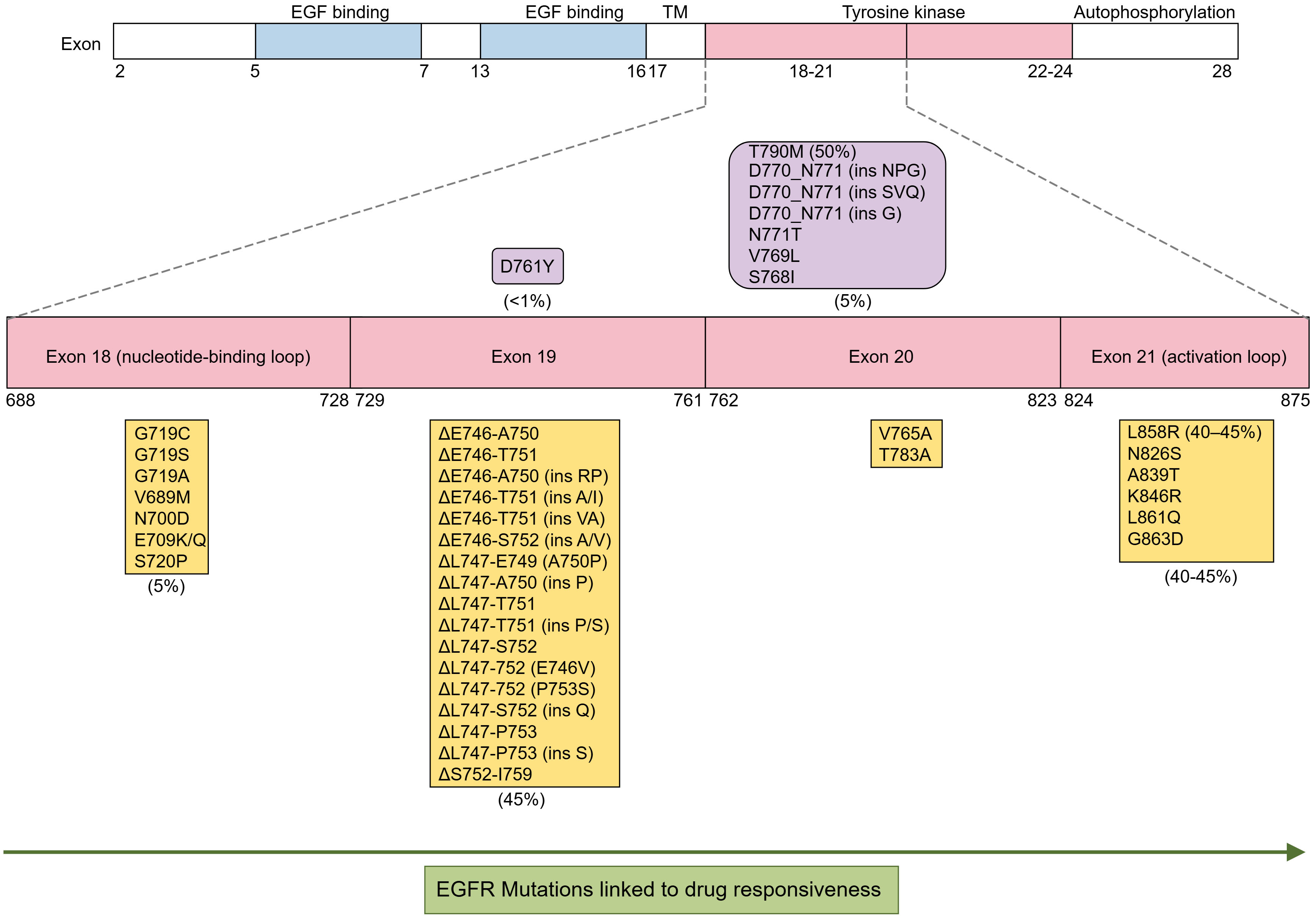
Published
Issue
Section
License
Copyright (c) 2026 Rui Meng, Ling Xu, Liping Wang, Youcai Zhu, Jisheng Li, Yanru Xie, Xinqing Lin, Jing Cai, Lin Wang, Yingying Du, Wang Yao, Xuefei Shi, Xiaomin Niu, Dongmei Yuan, Yanwen Yao, Jing Kang, Jiatao Zhang, Chao Zhang, Wenbin Gao, Jianhui Huang, Yinbin Zhang, Pingli Sun, Hong Wang, Mingxiang Ye, Dong Wang, Zhaofeng Wang, Yue Hao, Zheng Wang, Bing Wan, Donglai Lv, Xiaodong Jiao, Lin Shi, Gang Lan, Shengjie Yang, Tao Xu, Yina Wang, Bihui Li, Wenfeng Li, Zhang Zhang, Zhongwu Li, Yuan Li, Zhefeng Liu, Nong Yang, Lin Wu, Qiming Wang, Guansong Wang, Zhuan Hon, Jiandong Wang, Meiyu Fang, Yong Fang, Xixu Zhu, Yi Shen, Ke Wang, Yiping Zhang, Shenglin Ma, Yong Song, Wenfeng Fang, Yuanzhi Lu, Chunwei Xu, Wenxian Wang, Qian Wang, Yu Zhang, Zhengbo Song, Ziming Li, Jinpu Yu, Wenzhao Zhong, Zhijie Wang, Yongchang Zhang, Jingjing Liu, Shirong Zhang, Xiuyu Cai, Anwen Liu, Wen Li, Ping Zhan, Hongbing Liu, Tangfeng Lv, Liyun Miao, Lingfeng Min, Gen Lin, Long Huang, Jingping Yuan, Zhansheng Jiang, Xingxiang Pu, Chuangzhou Rao, Dongqing Lv, Zongyang Yu, Xiaoyan Li, Chuanhao Tang, Chengzhi Zhou, Junping Zhang, Hui Guo, Qian Chu, Xuewen Liu, Jingxun Wu, Jin Zhou, Zhengfei Zhu, Weiwei Pan, Fei Pang, Wai Kang, Fan Wu, Bingwei Xu, Gang Wu (Author)

This work is licensed under a Creative Commons Attribution-NonCommercial 4.0 International License.